Oltrarno Florence Guide: The Artisan Quarter Locals Don't Want You to Know About
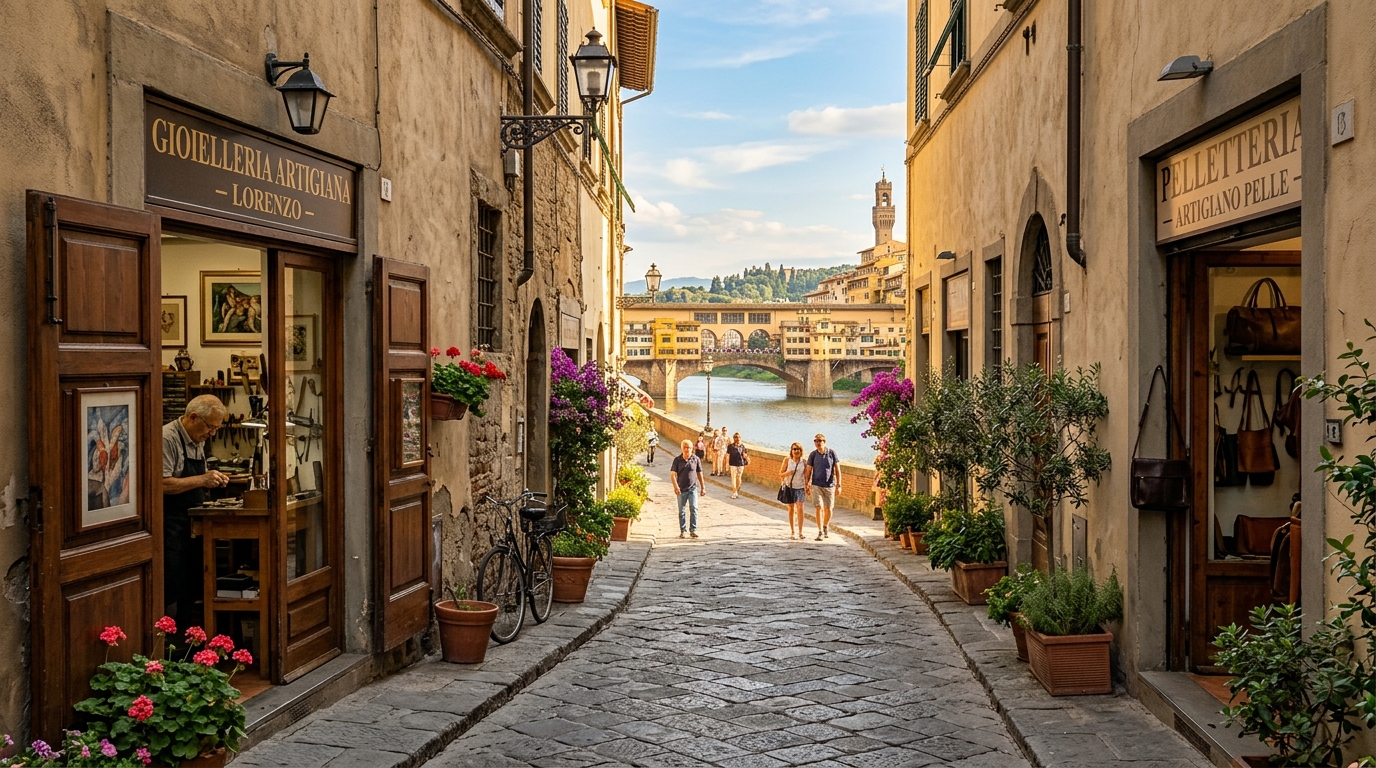
Cross the Ponte Vecchio and you step into a different Florence. The Oltrarno — literally "beyond the Arno" — is where Florentine artisans have been hammering gold, restoring frescoes, and binding leather for centuries. While the crowds jostle for selfies near the Duomo, this left-bank neighbourhood hums along at its own pace: shuttered workshops spilling the smell of wood shavings onto narrow streets, grandmothers leaning from windows above corner trattorias, and piazzas where the aperitivo hour still belongs to locals.
If you're staying near Santa Maria Novella station — say, along Via Guido Monaco — the Oltrarno is a fifteen-minute walk south through the historic centre. It's close enough for a morning stroll yet feels like a completely different city. This guide covers everything you need to make the most of it in 2026, from world-class art to the best lampredotto cart on the left bank.
Why Oltrarno Deserves a Full Day (or More)
Most first-time visitors to Florence spend their entire trip on the north side of the Arno, shuttling between the Uffizi, the Duomo, and Piazza della Signoria. That's understandable — there's extraordinary art packed into a few square blocks. But the Oltrarno offers something the north bank increasingly struggles to deliver: authenticity.
The neighbourhood is home to roughly 200 active artisan workshops, a density unmatched anywhere else in Europe. Restorers, gilders, mosaic artists, bookbinders, and silversmiths work in the same botteghe their predecessors occupied in the fifteenth century. The Medici chose to live here — Palazzo Pitti was their primary residence — and the creative infrastructure they fostered never fully disappeared.
Today the Oltrarno is also Florence's most vibrant residential quarter. University students, young families, and longtime residents share streets with a growing but still manageable number of visitors. The result is a neighbourhood where you can eat a three-course lunch for under €15, browse a gallery opening on a Thursday evening, and end the night at a jazz bar in a converted chapel — all without encountering a single tour group.
Getting to the Oltrarno from Santa Maria Novella
From the area around Santa Maria Novella station and Via Guido Monaco, reaching the Oltrarno takes about 15 minutes on foot. You have several scenic routes to choose from.
Via Ponte Vecchio
The most famous option. Walk south through the historic centre along Via de' Tornabuoni or Via Por Santa Maria, cross the Ponte Vecchio (pausing to gawk at the goldsmith shops), and you're in the Oltrarno. The bridge deposits you near Palazzo Pitti on Via de' Guicciardini.
Via Ponte Santa Trinita
A slightly less crowded alternative one bridge west of the Ponte Vecchio. This elegant Renaissance bridge offers some of the best photo angles of the Ponte Vecchio itself. It drops you into Piazza de' Frescobaldi, right at the edge of the Santo Spirito quarter.
Via Ponte alla Carraia
The most direct route from Santa Maria Novella. Walk south along Via dei Fossi and cross the Ponte alla Carraia. You'll arrive in the San Frediano district, the grittiest and most authentic part of the Oltrarno.
| Route | Walking Time from SMN | Best For |
|---|---|---|
| Ponte Vecchio | 15-18 min | First-time visitors, goldsmith window shopping |
| Ponte Santa Trinita | 12-15 min | Photography, Santo Spirito access |
| Ponte alla Carraia | 10-12 min | Quickest route, San Frediano access |
The Three Souls of the Oltrarno
The Oltrarno isn't a single neighbourhood — it's three distinct zones, each with its own character. Understanding the differences helps you plan your time.
Santo Spirito: The Beating Heart
Piazza Santo Spirito is the Oltrarno's living room. The square is anchored by the Basilica di Santo Spirito, whose plain facade hides one of Brunelleschi's most elegant church interiors and a wooden crucifix attributed to the young Michelangelo. Every morning except Sunday, a small market sets up in the piazza selling fruit, vegetables, flowers, and leather goods. On the second Sunday of each month, a larger flea market takes over the entire square.
The streets radiating from Santo Spirito are lined with restaurants, wine bars, and independent shops. This is the Oltrarno at its most social — grab a table at one of the piazza's cafés in the late afternoon and watch the neighbourhood come to life as the workday ends.
Don't miss: The interior of Santo Spirito church (free entry), the Saturday morning organic market, and the view from the piazza's fountain at sunset.
San Frediano: The Workshop Quarter
West of Santo Spirito, San Frediano is where the Oltrarno's artisan heritage is most visible. Borgo San Frediano, the main street, is lined with workshops where you can watch craftspeople at work through open doors. This is the neighbourhood that old-timers mean when they talk about the "real" Oltrarno — less polished, more working-class, and increasingly popular with younger Florentines priced out of the centre.
The area around Piazza del Carmine is the anchor. The church there, Santa Maria del Carmine, contains the Brancacci Chapel — home to Masaccio's revolutionary frescoes that taught perspective to generations of Renaissance artists, including Michelangelo himself.
Don't miss: The Brancacci Chapel frescoes (book ahead — only 30 people admitted at a time), a walk along Borgo San Frediano to peek into workshops, and aperitivo at one of the bars near Piazza Tasso.
San Niccolò: The Quiet End
Tucked beneath the hill leading up to Piazzale Michelangelo, San Niccolò is the Oltrarno's most tranquil corner. The narrow streets feel almost medieval, the restaurant scene is excellent, and the old city gate (Porta San Niccolò) provides access to the hillside walks above the city.
This neighbourhood is your best starting point for climbing to Piazzale Michelangelo and San Miniato al Monte — two of Florence's most spectacular viewpoints. From San Niccolò, the walk up takes about 15 minutes and avoids the bus-clogged road most tourists use.
Don't miss: The walk up to San Miniato al Monte via the stone steps behind Porta San Niccolò, dinner along Via di San Niccolò, and a late-night drink at one of the area's intimate wine bars.
Top Things to Do in the Oltrarno
1. Visit Palazzo Pitti and the Boboli Gardens
The Oltrarno's headline attraction is the massive Palazzo Pitti, the Medici family's primary residence from 1550 onwards. The building houses five separate museums, but the two essential ones are the Palatine Gallery (a stunning collection of Renaissance paintings hung salon-style in ornate rooms) and the Boboli Gardens (16 acres of Renaissance landscaping, fountains, and grottos climbing the hillside behind the palace).
Practical info for 2026:
| Detail | Info |
|---|---|
| Combined ticket (Palazzo Pitti + Boboli) | €22 |
| Boboli Gardens only | €10 |
| Opening hours | 8:15 AM – 6:30 PM (closes earlier in winter) |
| Closed | First and last Monday of each month |
| Time needed | 2-3 hours (galleries + gardens) |
| Best time to visit | Early morning or after 3 PM |
Tip: The Boboli Gardens are particularly beautiful in late March and April when the wisteria blooms along the pergola walks.
2. Explore the Artisan Workshops
The Oltrarno's working workshops are not tourist attractions — they're functioning businesses. That said, most artisans are happy to chat if you approach respectfully and show genuine interest. Here are some craft traditions to look for:
Bookbinding and paper marbling — Florence's marbled paper tradition dates to the 17th century. Several workshops along Via Maggio and in the streets near Santo Spirito still practice the craft. Look for the distinctive swirl-patterned papers in shop windows.
Gold leaf and gilding — The streets between Palazzo Pitti and Santo Spirito are home to gilders who restore frames, furniture, and church fixtures using techniques unchanged since the Renaissance.
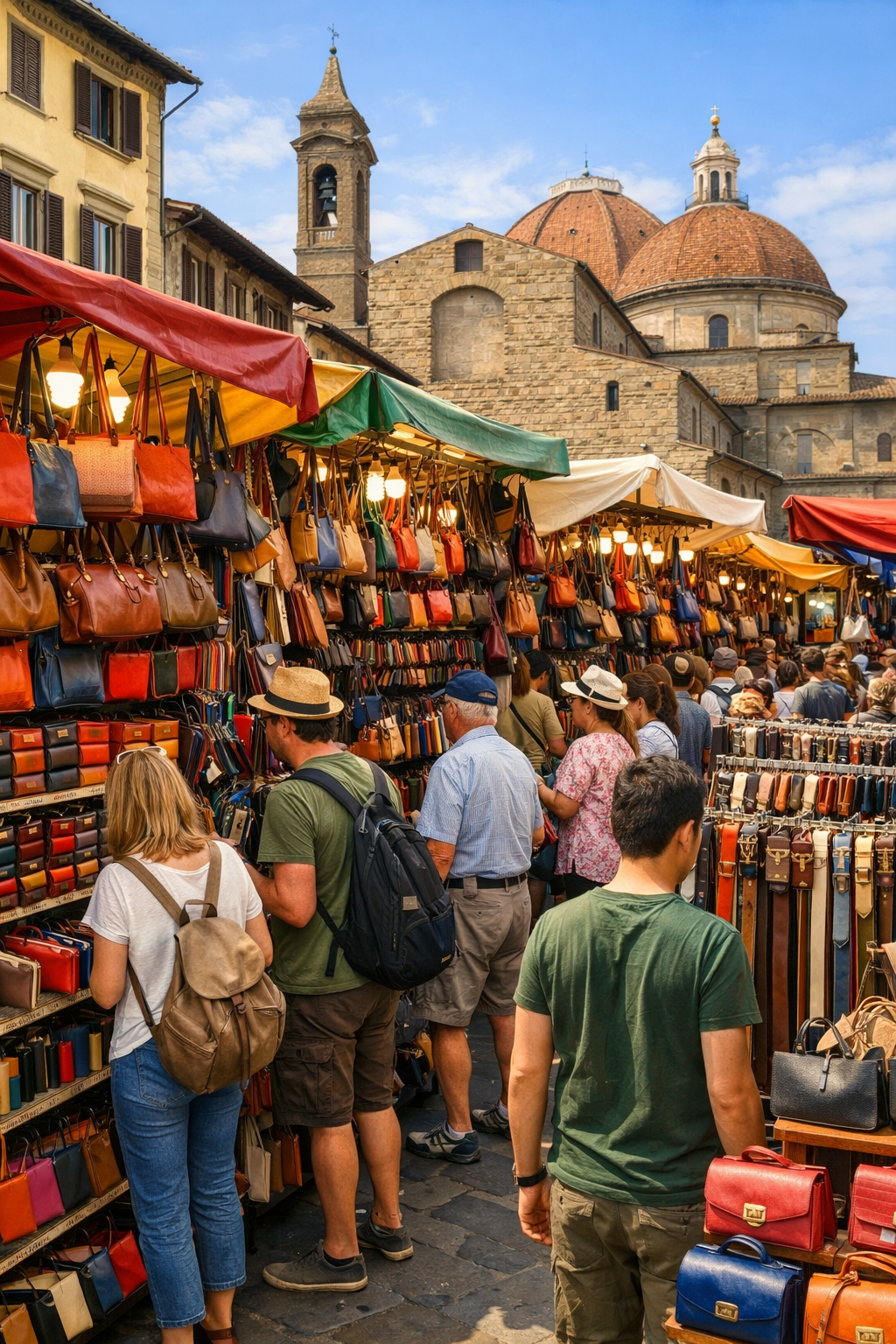
Leather working — While San Lorenzo on the north bank is famous for its leather market, the Oltrarno is where serious leather artisans actually work. Small workshops produce bags, journals, and accessories by hand.
Furniture restoration — Borgo San Frediano is lined with restoration workshops where antique furniture gets a second life. The smell of varnish and the sound of hand tools are constant companions on this street.
3. See the Brancacci Chapel Frescoes
Masaccio's frescoes in the Brancacci Chapel at Santa Maria del Carmine are among the most important works in Western art history. Painted in the 1420s, they introduced a level of naturalism and emotional depth that broke decisively from the medieval tradition. The scene of Adam and Eve's expulsion from Eden is devastating — five hundred years later, the anguish on their faces still hits you in the chest.
Reservations are strongly recommended. Only 30 visitors are admitted at a time for 30-minute sessions. Book online at the official Musei Civici Fiorentini website. The ticket costs €10 and includes access to the rest of the church.
4. Walk to Piazzale Michelangelo and San Miniato al Monte
The classic Florence panorama — the one you've seen on every postcard and Instagram feed — is shot from Piazzale Michelangelo, the broad terrace on the hill above the Oltrarno. But the real reward is continuing another ten minutes uphill to the Basilica di San Miniato al Monte, one of the finest Romanesque churches in Italy. Its geometric marble facade gleams above the city, and the interior's 11th-century mosaics and inlaid marble floor are magnificent.
The best route from the Oltrarno: Start at Porta San Niccolò. Take the stone staircase (Rampe del Poggi) up through the garden terraces. The climb takes about 15 minutes at a comfortable pace. Go in the late afternoon for the best light over the city.
5. Browse the Santo Spirito Markets
The daily morning market in Piazza Santo Spirito (Monday to Saturday, roughly 8 AM to 1 PM) is a small neighbourhood affair — fruit stalls, a cheese vendor, a few clothing stands. On the second Sunday of each month, the piazza transforms into a larger flea market with antiques, vintage clothing, prints, and curiosities. It's one of Florence's best markets for browsing and bargain hunting.
6. Wander the Bardini Garden and Villa
Far less visited than the adjacent Boboli Gardens, the Giardino Bardini is a beautifully restored hillside garden with a wisteria-draped pergola and one of the best viewpoints in all of Florence. The villa at the top hosts rotating art exhibitions. Entry costs €10 (or is included with the Boboli combination ticket). The gardens are particularly stunning in April and May when the wisteria tunnel is in full bloom.
Where to Eat in the Oltrarno
The Oltrarno has Florence's best ratio of quality to price when it comes to food. These are tested recommendations across different budgets.
Budget (Under €15)
Trattoria Sabatino — A legendary no-frills lunch spot on Via Pisana near Porta San Frediano. The menu changes daily, a full meal costs around €10-12, and the dining room hasn't changed since roughly 1956. Cash only, arrive before 12:30 or face a queue.
Il Trippaio di San Frediano — The best street food cart in the Oltrarno, parked in Piazza de' Nerli. Order a lampredotto sandwich (braised cow stomach — trust us, it's delicious) with salsa verde for around €5. This is what Florentines actually eat for lunch.
Gusta Pizza — A tiny pizzeria on Via Maggio that consistently makes some of the best pizza in Florence. Expect to wait for a table, but portions are generous and nothing on the menu costs more than €9.
Mid-Range (€15-35)
Trattoria 4 Leoni — On Piazza della Passera, one of the Oltrarno's most charming small squares. Known for its steak tartare with artichokes and a solid bistecca alla fiorentina. Book ahead for dinner.
Il Magazzino — A tripe-focused trattoria that elevates Florentine offal cooking to an art form. Even if you're sceptical about tripe, the preparations here may convert you. The fried tripe appetiser is extraordinary.
Burro e Acciughe — A modern osteria on Via dell'Orto that does excellent fish in a neighbourhood dominated by meat. The anchovy dishes are, naturally, outstanding.
Special Occasion (€35+)
Essenziale — Chef Simone Cipriani's restaurant near Porta San Frediano strips Tuscan cooking back to its essentials and rebuilds it with modern technique. The tasting menu (around €60-75) is one of Florence's best dining experiences.
Where to Drink in the Oltrarno
Volume — A café-bookshop-bar hybrid on Piazza Santo Spirito that transitions from morning espresso to evening cocktails. Great for people-watching.
Il Santino — A wine bar run by the same team as the restaurant Il Santo Bevitore. Exceptional wine list, excellent small plates (the burrata is famous), and a cosy atmosphere in a tiny space on Via di Santo Spirito.
Mad Souls & Spirits — A craft cocktail bar in San Frediano with creative drinks and a relaxed vibe. One of the best cocktail spots on either side of the Arno.
Dolce Vita — An institution on Piazza del Carmine for late-night drinks. In summer, the outdoor tables fill the piazza and the scene runs well past midnight.
Practical Tips for Visiting the Oltrarno
Best time to visit: The Oltrarno is pleasant year-round, but spring (April-May) and early autumn (September-October) are ideal. Summer afternoons can be very hot — plan indoor activities (museums, churches) for the hottest hours and save the hill walks for early morning or late afternoon.
How long to spend: A full day lets you cover the highlights comfortably. If you want to explore all three sub-neighbourhoods at a relaxed pace, two days is better. Many visitors staying near Santa Maria Novella end up returning to the Oltrarno multiple evenings for dinner.
Safety: The Oltrarno is safe by any urban standard. Use normal city awareness — keep valuables secure and be alert in crowded market areas — but there are no neighbourhoods to avoid.
Workshop etiquette: If a workshop door is open, it's generally fine to look in and ask if you can watch. Introduce yourself, ask permission before photographing, and consider purchasing something small if you've taken up a craftsperson's time. Speaking even a few words of Italian goes a long way.
Getting back: The walk back to the Santa Maria Novella area from anywhere in the Oltrarno takes 10-20 minutes. If you've been exploring San Niccolò or Piazzale Michelangelo, you can catch bus line 13 back towards the station, though walking downhill through the Oltrarno's quiet evening streets is one of Florence's great pleasures.
A Suggested Oltrarno Day Itinerary
Here's how to structure a full day in the Oltrarno, starting from your accommodation near Via Guido Monaco and Santa Maria Novella station.
9:00 AM — Walk to Palazzo Pitti via Ponte Santa Trinita. Arrive early to beat the crowds.
9:15 AM – 11:30 AM — Explore the Palatine Gallery and Boboli Gardens. The gardens are magical in the morning light.
11:30 AM – 12:30 PM — Walk through Via Maggio towards Santo Spirito, browsing bookbinding and paper workshops along the way.
12:30 PM – 1:30 PM — Lunch at Trattoria Sabatino or a lampredotto sandwich at Il Trippaio di San Frediano.
2:00 PM – 3:00 PM — Visit the Brancacci Chapel in Santa Maria del Carmine (book your time slot in advance).
3:00 PM – 4:00 PM — Wander Borgo San Frediano's artisan workshops. Duck into any open door that catches your eye.
4:00 PM – 4:30 PM — Coffee and a pastry at a café in Piazza Santo Spirito.
4:30 PM – 5:30 PM — Walk through San Niccolò and climb to Piazzale Michelangelo. Continue to San Miniato al Monte if energy allows.
6:00 PM — Aperitivo back in the Oltrarno. Try Il Santino for wine or Volume for cocktails.
8:00 PM — Dinner at Trattoria 4 Leoni or Burro e Acciughe. Walk back to Santa Maria Novella under the stars.
Frequently Asked Questions
How do I get to the Oltrarno from Florence city centre?
The Oltrarno is directly across the Arno River from Florence's historic centre. The easiest crossings are the Ponte Vecchio, Ponte Santa Trinita, and Ponte alla Carraia. From Santa Maria Novella station, the walk takes 10-18 minutes depending on which bridge you use. No bus or taxi is necessary — walking is the best way to arrive.
Is the Oltrarno safe for tourists?
Yes, the Oltrarno is a safe residential neighbourhood. Like any urban area, use basic awareness in crowded spots, but the Oltrarno actually feels safer than the more touristic north bank because it's a functioning neighbourhood with local residents on every street. The area is safe to walk at night.
What is the Oltrarno known for?
The Oltrarno is known for three things: its artisan workshops (leather workers, gilders, bookbinders, furniture restorers), its major cultural sites (Palazzo Pitti, Boboli Gardens, the Brancacci Chapel), and its authentic Florentine dining scene. It's widely considered the most "real" neighbourhood in central Florence, with a strong local community and fewer tourist-oriented businesses than the north bank.
How much time should I spend in the Oltrarno?
A full day allows you to visit the main sights, explore the workshops, and enjoy a meal. Two days lets you experience each sub-neighbourhood — Santo Spirito, San Frediano, and San Niccolò — without rushing. Even a half-day is worthwhile if you focus on one area.
Can I visit artisan workshops in the Oltrarno?
Yes, many workshops welcome respectful visitors. If a door is open, it's generally an invitation to look in. Ask permission before entering or photographing, and try to engage with the artisan's work rather than treating it as a museum. Purchasing even a small item is appreciated if you've spent time watching someone work. Some workshops also offer short courses in bookbinding, leather work, or mosaics — ask at your accommodation or the local tourist office for current offerings.
What is the best restaurant in the Oltrarno?
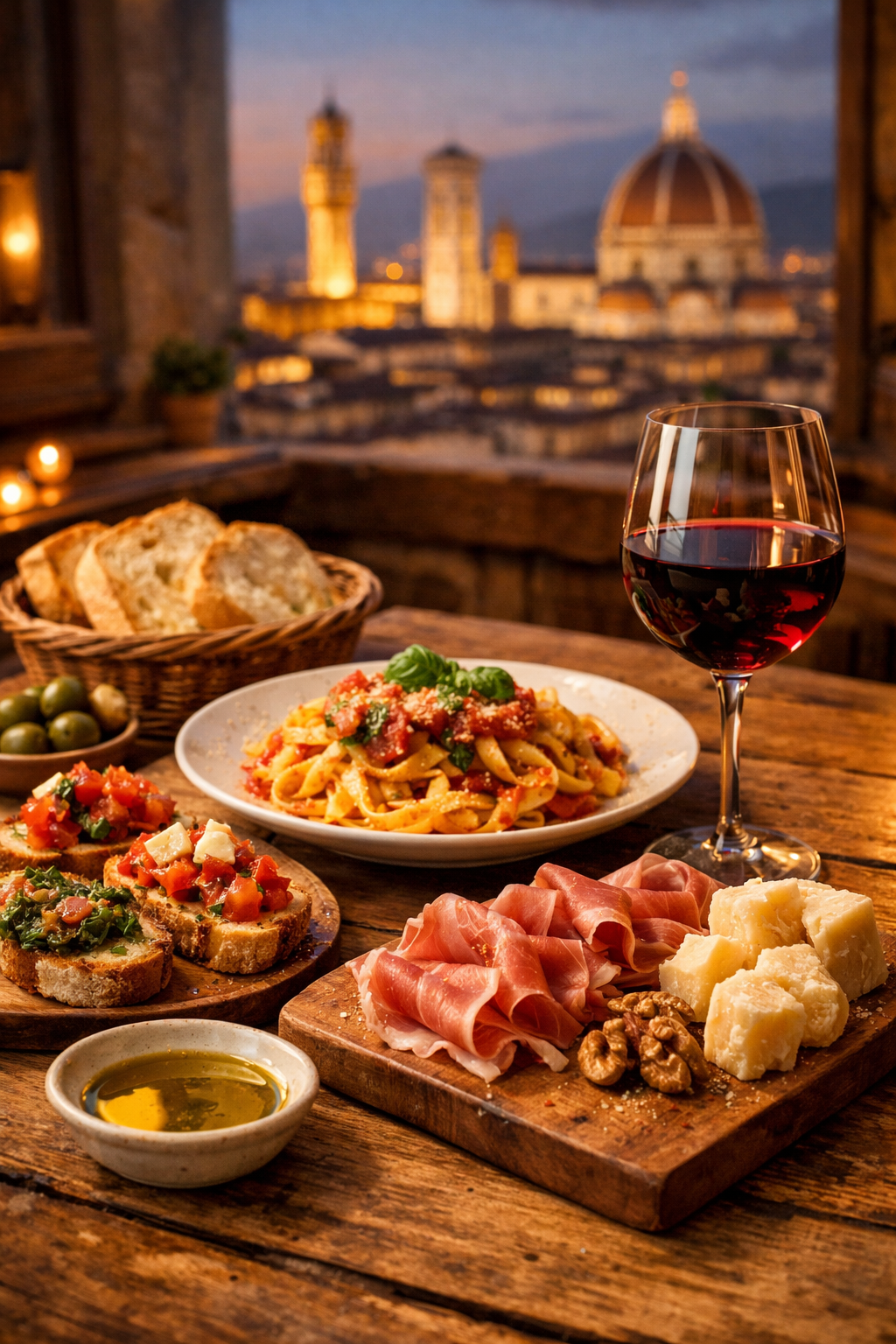
It depends on your budget and taste. For an unforgettable fine dining experience, Essenziale is exceptional. For a classic Florentine trattoria meal, Trattoria 4 Leoni and Il Magazzino are excellent. For the most authentic local experience at the lowest price, Trattoria Sabatino is hard to beat — it's been feeding the neighbourhood since the 1950s. For street food, the lampredotto cart at Il Trippaio di San Frediano is a must-try.
Is Palazzo Pitti worth visiting?
Absolutely. Palazzo Pitti houses one of Italy's finest painting collections in the Palatine Gallery, with major works by Raphael, Titian, and Caravaggio hung in lavishly decorated rooms. The Boboli Gardens behind the palace are 16 acres of Renaissance landscape design with fountains, grottos, and panoramic views. Together they easily fill half a day and rank among Florence's top five cultural experiences.
Book Your Florence Stay
Experience the comfort of Guido Monaco apartment — perfect location, modern amenities, and a private terrace.