Florence in Summer 2026: Complete Guide to June, July & August
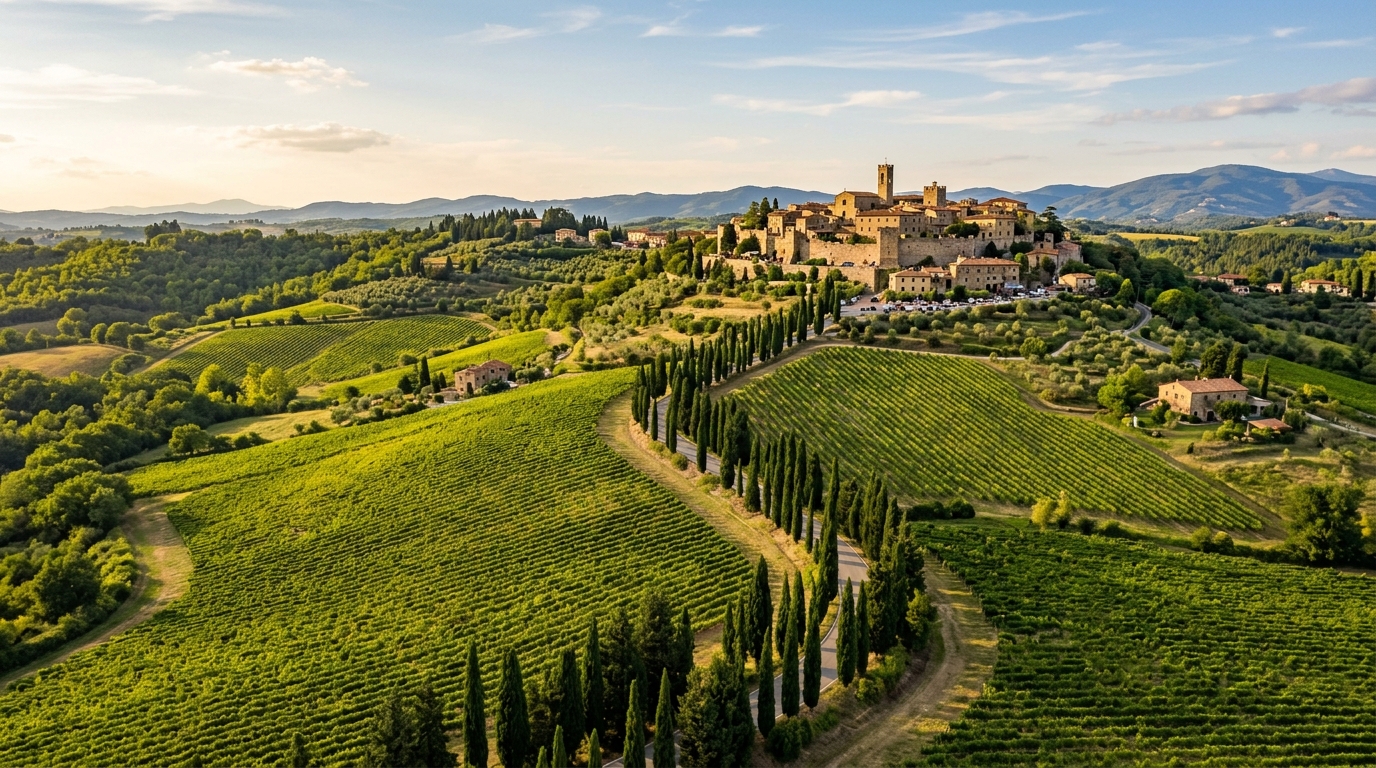
Florence in summer is a study in contrasts. The city reaches peak beauty under the long Tuscan sun — terracotta glowing amber at golden hour, rooftop terraces alive with aperitivo chatter, the Arno River catching the last light of evening. It is also, frankly, the busiest and hottest time of year to visit.
But with the right approach, summer in Florence is extraordinary. You just need to know when to go, where to go, and — crucially — when to retreat indoors with a gelato.
This guide covers everything you need to make the most of a Florence summer trip in June, July, or August 2026: the weather, the crowds, the best things to do, and the insider tips that make the difference between an exhausting slog and an unforgettable Italian experience.
What Is the Weather Like in Florence in Summer?
Let's be direct: Florence summers are hot. The city sits in the Arno valley, surrounded by hills, which creates a natural oven effect. Heat accumulates, and it does not escape easily.
June is the most comfortable summer month. Temperatures range from 20°C (68°F) in the morning to a pleasant 27–30°C (80–86°F) in the afternoon. Days are long — sunset after 9pm — and the crowds have not yet reached peak August intensity. June is arguably the best summer month to visit Florence.
July is significantly hotter, with afternoon temperatures regularly reaching 33–36°C (91–97°F) and occasional heat waves pushing into the low 40s. Humidity can make the heat feel more oppressive than it reads on paper. The city is also at peak tourist capacity — the Uffizi and Accademia queues can stretch to two-hour waits.
August is Florence's most polarising month. The heat is extreme, often exceeding 37°C (99°F). However, a large number of Florentines leave the city for the coast or mountains, which gives August a fascinating dual personality: overwhelming crowds of tourists, combined with a quieter neighbourhood life once you step off the main tourist circuit. Many family-run restaurants and local shops close for two to four weeks (typically around Ferragosto on 15 August).
Packing essentials for summer:
- Light linen or cotton clothing (no synthetics — you will regret them)
- A portable fan (cheap and available everywhere in Florence)
- A reusable water bottle — free drinking fountains (nasoni) are scattered across the city
- Good-quality sunscreen; the midday sun is intense
- Comfortable walking shoes with breathable material
- A light cardigan or layer for air-conditioned museums
How to Beat the Summer Crowds in Florence
Florence's summer crowds are real, but manageable with strategy.
Book major museums in advance — always. The Uffizi Gallery and the Accademia (Michelangelo's David) are the two biggest draws. Booking online several days (or weeks) ahead is not optional in summer — it is essential. Walk-up tickets are often sold out by 9am, and the queues for any remaining slots are punishing.
Go early or go late. Most tour groups operate on a 9am–5pm schedule. The Uffizi opens at 8am; arriving at opening time gives you a quieter first hour in the galleries. Similarly, many sites have extended summer evening hours — the Palazzo Vecchio and various museums offer late-night visits in July and August. Check the current year's schedules on the official website.
Explore the less-visited neighbourhoods. The tourist density drops dramatically once you cross the Arno into Oltrarno. The artisan quarter of Oltrarno, the Boboli Gardens (especially in the evening when the heat softens), and the quieter streets behind Piazza Santo Spirito give you an authentically local Florence experience even in peak season.
Visit the Piazzale Michelangelo at sunrise, not sunset. The panoramic viewpoint is jammed with tour buses at sunset. At 6:30am, you may have it almost to yourself — and the light is more dramatic anyway.
Plan around the midday heat. The hours between noon and 4pm are best spent indoors: in a museum, a cool church, your apartment, or a café. The city does not shut down, but experienced summer visitors structure their days to avoid direct sun during peak heat hours.
Best Things to Do in Florence in Summer
Summer brings a set of experiences that are unique to the season — some of Florence's finest moments happen only in the long warm evenings.
Evening Passeggiata and Aperitivo Culture
Florentines take their passeggiata (evening stroll) seriously. As the temperature drops after 7pm, the streets come alive. The Lungarno (riverside walks along the Arno) are particularly beautiful in summer evenings — locals stroll, couples sit on benches, and the water catches the last colour of the sky.
Aperitivo hour (typically 6–9pm) is a summer institution. Many bars around Piazza della Repubblica, Piazza Santo Spirito, and the Oltrarno neighbourhood offer a Negroni or Aperol Spritz with complimentary snacks. This is not just drinking — it is the rhythm of Florentine social life.
Open-Air Cinema and Summer Events
Florence transforms in summer with outdoor events:
- Estate Fiesolana — a summer festival of concerts, theatre, and cinema held in the ancient Roman amphitheatre in nearby Fiesole. Running from June through August, this is one of the highlights of the Tuscan cultural calendar.
- Calcio Storico Fiorentino — Florence's extraordinary historical football match, played in medieval costumes in the sand of Piazza Santa Croce. Usually held in mid-June, this is one of Italy's most spectacular and visceral traditions.
- Open-air cinema — various locations across the city screen films on summer evenings, including the romantic setting of the Piazzale Michelangelo.
Day Trips from Florence in Summer
The excellent train connections from Santa Maria Novella station make day trips easy and highly recommended as a way to escape the city heat:
- Lucca (1.5 hours by train) — a perfectly preserved medieval walled city that is cooler, quieter, and charming. Rent a bicycle and cycle the city walls.
- Cinque Terre (2–2.5 hours) — the famous coastal villages of the Ligurian coast. Book the train early in summer; this route fills up fast.
- Siena (1.5 hours by bus or train) — the medieval rival to Florence, stunning at any time of year. Note that Siena's Palio horse race takes place on 2 July and 16 August — spectacular to watch but you need to plan well ahead.
- Volterra (2 hours by bus) — a hilltop Etruscan city with fewer tourists and tremendous views across rolling Tuscan hills.
Swimming: Beaches and Pools
Florence itself has no swimming facilities worth mentioning, but the coast is within reach. The Versilia Riviera (Forte dei Marmi, Viareggio) is roughly 1.5 hours by train — a day trip to the Ligurian sea is a genuine summer option. Florence also has several public outdoor pools (piscine comunali) which are inexpensive and popular with locals.
Summer Food and Drink in Florence
Florentine cuisine adapts intelligently to summer heat. You will find:
Cold dishes to seek out:
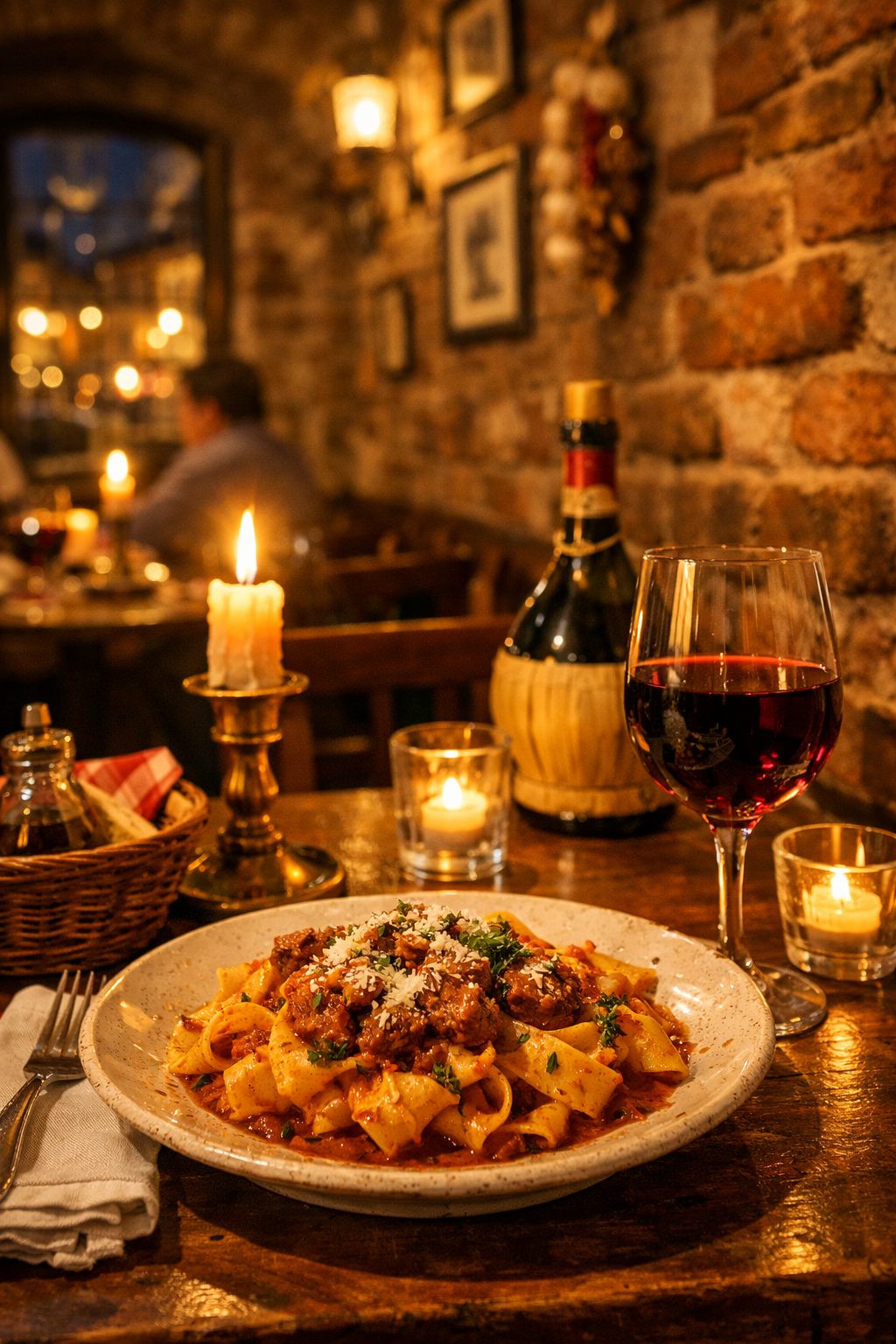
- Panzanella — Tuscan bread salad with ripe tomatoes, basil, and olive oil. A summer staple.
- Ribollita fredda — the famous bean and vegetable soup, served at room temperature in summer.
- Fresh seafood at the better trattorias (the Versilia coast supply chain is active in summer).
Gelato strategy: Not all gelato is equal. Authentic artisanal gelato (gelato artigianale) is stored in covered metal containers — the piled-up mounds of brightly coloured gelato in tourist areas are usually made with artificial ingredients and inferior quality. Ask locals for recommendations, or look for the covered display case as a hallmark of quality.
Hydration: Florence has excellent tap water. The ornate cast-iron drinking fountains (nasoni) scattered throughout the city provide free, cold, and perfectly drinkable water. Fill your bottle regularly.
Where to eat in the heat: Choose restaurants with terraces or good air conditioning. Many of the best trattorias near Santa Maria Novella — the neighbourhood around our apartment — are family-run establishments with reasonable prices and genuine cooking, well away from the tourist traps near Piazza della Repubblica.
Visiting Florence's Major Sights in Summer
The Uffizi Gallery: Book at least two weeks ahead in July and August. Arrive exactly at your timed entry. The gallery is air-conditioned, making it one of the better afternoon activities in the peak heat. Plan for at least 2–3 hours; the collection is enormous.
Michelangelo's David (Accademia): Same booking advice applies. The gallery itself is smaller than the Uffizi and can be done in 1.5 hours, but do not rush — the experience of seeing the David in person deserves your full attention.
The Duomo and Brunelleschi's Dome: Queues are significant in summer. The dome climb (463 steps) is physically demanding in the heat — go early morning. The exterior can be enjoyed at any time; the Baptistery's famous golden doors are often less crowded than you expect.
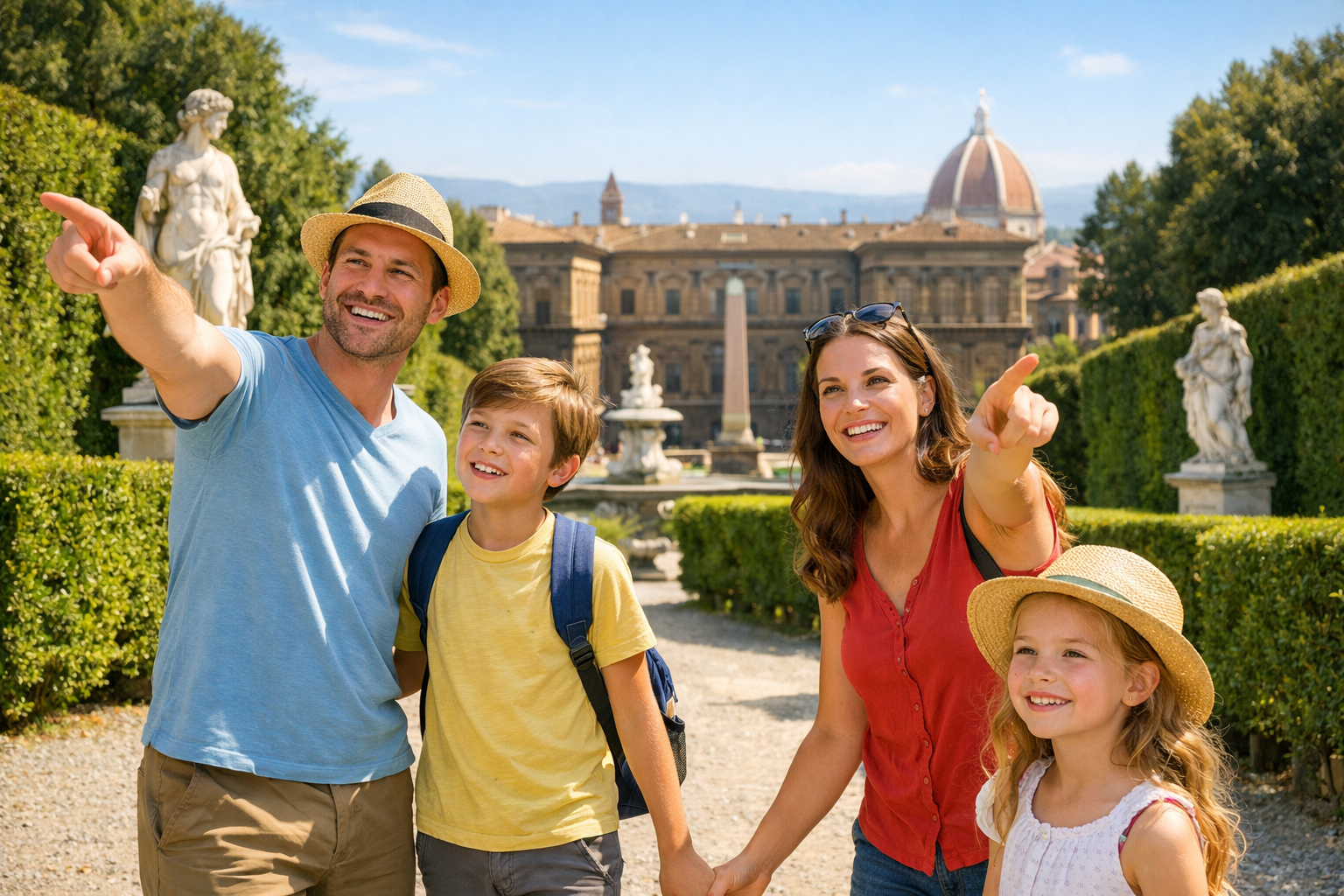
Boboli Gardens: Open daily and best visited in the early morning or late afternoon when the heat is less intense. The gardens offer shade, fountains, and remarkable views across Florence — a genuine escape from the crowds of the main museum circuit.
Palazzo Vecchio and Piazza della Signoria: The piazza itself is always accessible and best in the early morning when it belongs to locals rather than tour groups. The Palazzo Vecchio museum has extended summer hours and is worth visiting for the extraordinary frescoed halls.
Where to Stay in Florence for Summer Visits
Your choice of accommodation has an outsized impact on summer comfort. Consider:
Location: Staying in the centre — specifically in the Santa Maria Novella neighbourhood — puts you within walking distance of every major sight while keeping you in a genuine residential area where locals actually live. You will find corner bars, neighbourhood shops, and a more authentic pace of life.
Air conditioning: Confirm your accommodation has air conditioning before booking. Florence summers demand it. Many older apartments do not have it, or have only portable units that are insufficient against 37°C heat.
Terrace or outdoor space: A private outdoor space is a summer luxury in Florence — somewhere to have morning coffee before the heat builds, and to enjoy the evening coolness after the sun goes down.
At Guido Monaco B&B, our apartment on Via Guido Monaco — a five-minute walk from Santa Maria Novella station — offers all of the above: central location, air conditioning, and a terrace with rooftop views. We accommodate up to three guests and are consistently rated 9.0/10 by verified guests.
Practical Tips for a Florence Summer Trip
- Book everything in advance: Uffizi, Accademia, Boboli Gardens, popular restaurants — summer in Florence rewards the organised visitor.
- Travel by train: Santa Maria Novella is Florence's central railway hub, connected to Rome (1.5 hours), Milan (2 hours), Venice (2 hours), and the entire Tuscan region. Stay near the station and the whole of Italy is accessible.
- Dress modestly for churches: Many churches require covered shoulders and knees. Carry a light scarf to comply.
- Use the Firenze Card or museum passes if you plan to visit multiple museums — it saves queuing for tickets.
- Check Ferragosto (15 August) carefully: Many smaller businesses, restaurants, and shops close for a week around this date. Plan accordingly.
- Evening walks beat midday touring every time in summer Florence.
Frequently Asked Questions
Is Florence too hot in August? August is the most challenging month — temperatures regularly exceed 37°C (99°F) and the city is at peak tourist capacity. That said, many visitors love August precisely because the departure of many locals opens up a different, quieter side of the city. If you are heat-sensitive, June is a better choice.
What is the best month to visit Florence in summer? June is widely considered the best summer month: long evenings, manageable heat, fewer crowds than July/August, and the city's summer cultural calendar getting underway.
How do I book the Uffizi in summer? Book directly on the official Uffizi website (uffizi.it) or via the official Firenze Musei system. Avoid third-party booking sites that charge significant surcharges. Book at least 2 weeks ahead for July and August.
What should I wear in Florence in summer? Light, breathable natural fabrics — linen and cotton. Comfortable walking shoes. A sun hat and sunglasses. Pack a light layer for museums and churches (which can be cold with air conditioning). Avoid black clothing in direct sun.
Are there beaches near Florence? The Versilia coast (Forte dei Marmi, Viareggio) is approximately 1.5 hours by train from Santa Maria Novella. A day trip to the Ligurian sea is entirely feasible from Florence — take the morning train, spend the afternoon at the beach, return in the evening.
Is Florence safe in summer? Florence is one of Italy's safest cities. The usual precautions apply: watch for pickpockets in crowded tourist areas (particularly around the Uffizi, the Duomo, and on busy buses), keep valuables secure, and be aware in very crowded spaces.
Ready to Experience a Florence Summer?
Summer in Florence is intense, beautiful, occasionally overwhelming, and completely unforgettable. The key is staying somewhere that gives you a genuine base — a cool apartment to retreat to at midday, a neighbourhood that feels lived-in, a terrace to enjoy the evening.
Guido Monaco B&B puts you right in the heart of Florence, steps from Santa Maria Novella and every train connection you need for Tuscan day trips. Up to 3 guests. Air conditioning. Private terrace. Consistently rated 9.0/10 by guests who have lived exactly the kind of Florence summer described in this guide.
Book your summer stay in Florence: https://www.booking.com/Share-3c371d
More Florence travel guides: https://florence-blog.vercel.app
Book Your Florence Stay
Experience the comfort of Guido Monaco apartment — perfect location, modern amenities, and a private terrace.