Florence to Chianti Wine Region: The Ultimate Day Trip Guide
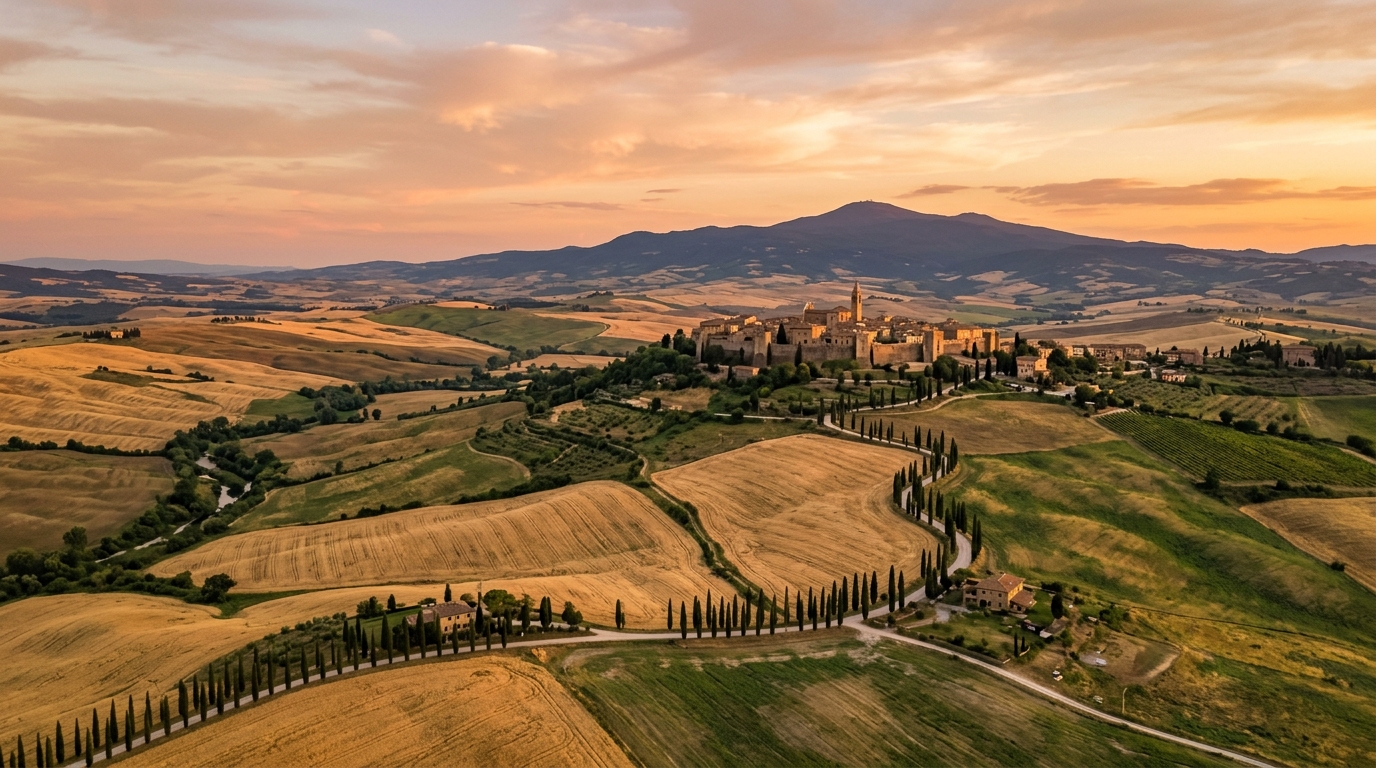
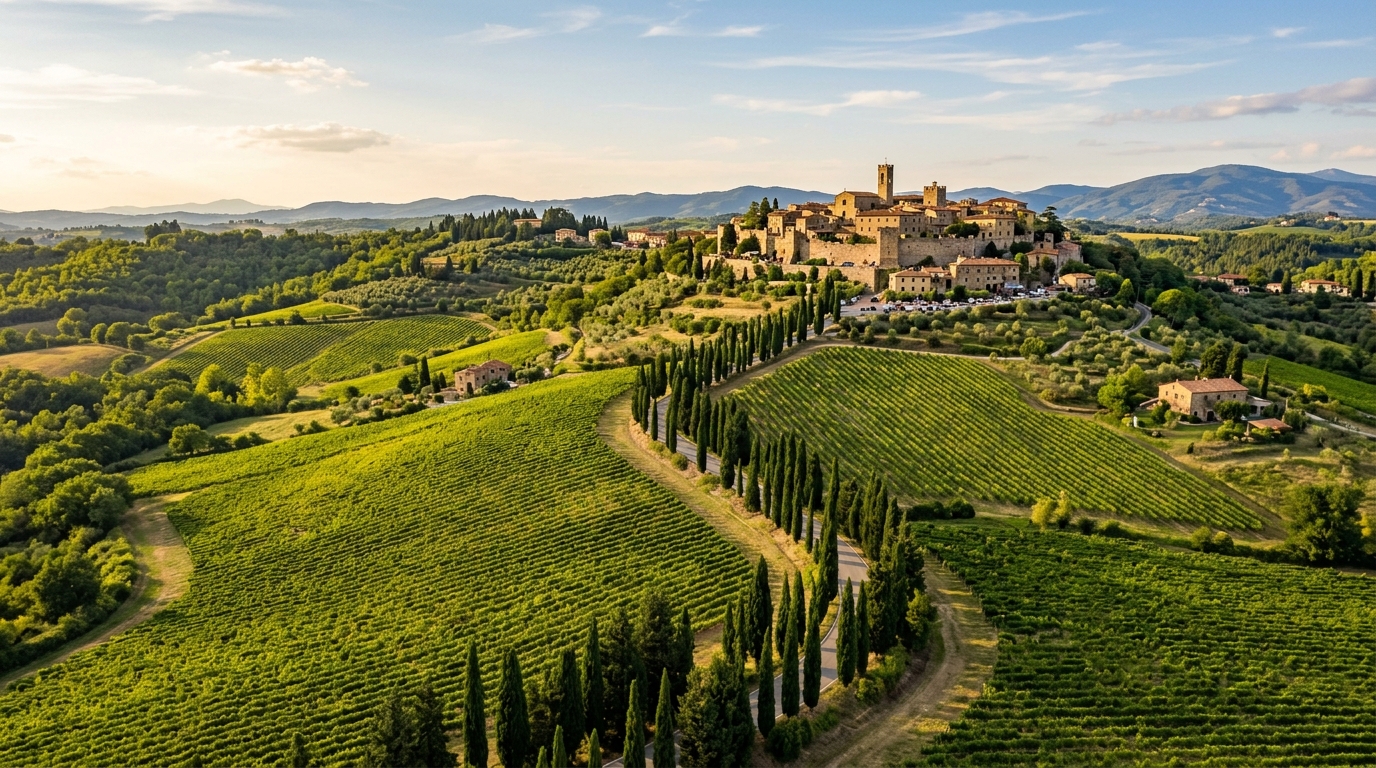
The rolling hills of Chianti, draped in orderly rows of vines and punctuated by medieval stone towers, sit barely thirty minutes south of Florence. This is one of the world's most celebrated wine regions, and getting there from the city centre is far easier than most visitors expect. Whether you prefer an organised tour, a self-drive adventure along winding cypress-lined roads, or even a trip by local bus, a day in Chianti is the perfect complement to a Florence city break.
If you're staying near Santa Maria Novella station — Florence's main transport hub — you're ideally positioned to reach the Chianti hills with minimal hassle. In this guide we cover everything: how to get there, which towns and wineries to visit, what to eat, and how to make the most of a single day in Tuscany's wine heartland.
What Exactly Is the Chianti Wine Region?
Chianti stretches across the hills between Florence and Siena, covering roughly 70,000 hectares of vineyards, olive groves, and forest. The region is best known for Chianti Classico — wines produced in the historic core zone identified by the iconic Black Rooster (Gallo Nero) label. This DOCG designation guarantees the wine was made from at least 80% Sangiovese grapes grown within strict geographical boundaries.
Beyond Classico, you'll also encounter Chianti Rufina (northeast of Florence), Chianti Colli Senesi (near Siena), and several other sub-zones, each with its own microclimate and character. For a day trip from Florence, the Classico zone — centred on the towns of Greve, Panzano, Radda, Gaiole, and Castellina — is the most accessible and rewarding destination.
How to Get from Florence to Chianti
By Car or Scooter
Driving gives you the most freedom. From the centre of Florence, take the SR222 (Via Chiantigiana), the scenic road that winds through the heart of Chianti Classico. The drive to Greve in Chianti takes about 40 minutes without stops, though the temptation to pull over for photos will add time.
Car rental agencies cluster around Santa Maria Novella station and Florence Airport. Budget around €50–80 per day for a compact car in spring 2026. Keep in mind that the historic centre of Florence is a ZTL (restricted traffic zone), so arrange pick-up outside the zone or have your accommodation sort the permit.
| Route | Distance | Drive Time | Highlights |
|---|---|---|---|
| Florence → Greve in Chianti | 31 km | 40 min | Via Chiantigiana, panoramic hills |
| Florence → Panzano in Chianti | 38 km | 50 min | Dario Cecchini's butcher shop |
| Florence → Radda in Chianti | 52 km | 1 hr | Medieval town walls, remote vineyards |
| Florence → Castellina in Chianti | 49 km | 55 min | Etruscan tunnel, fortress views |
| Florence → Gaiole in Chianti | 59 km | 1 hr 10 min | Castello di Brolio, quiet valleys |
By Bus
The BUSITALIA 365 line runs from Florence's main bus station (right next to Santa Maria Novella) to Greve in Chianti several times a day. The journey takes about an hour and costs around €4 one way. From Greve, you can take local buses onward to Panzano or Radda, though service is limited — check timetables in advance at busitalia.it.
The bus option is best if you plan to focus on one or two towns and don't mind a more relaxed pace.
By Organised Tour
If you'd rather leave the logistics to someone else, dozens of operators run day tours from Florence. Most depart from or near Santa Maria Novella station between 8:30 and 9:30 in the morning and return by 5:00–6:00 pm. A typical tour includes transport in a minivan, visits to two or three wineries with guided tastings, lunch at a local trattoria, and a stop in one of the hilltop villages.
Expect to pay €90–150 per person depending on group size and inclusions. Smaller groups (8 people or fewer) tend to offer a more personal experience and the flexibility to linger at places you enjoy. Book at least a few days ahead in spring and autumn — these are peak seasons.
By Bicycle
For the adventurous, cycling through Chianti is unforgettable. Several Florence-based outfitters rent road bikes and e-bikes and can arrange luggage transfers. The ride from Florence to Greve via back roads is about 35 km with significant climbing, so an e-bike is a wise choice unless you're a strong cyclist. Guided cycling tours are also available, typically covering 30–50 km with winery stops along the way.
Best Towns to Visit in Chianti
Greve in Chianti — The Gateway
Greve is the unofficial capital of Chianti Classico and the first major town you'll reach on the Via Chiantigiana. Its heart is the elegant Piazza Matteotti, a triangular market square lined with porticoed shops, enotecas, and cafés. On Saturday mornings, a lively open-air market fills the square with local produce, cheese, cured meats, and leather goods.
Don't miss the Antica Macelleria Falorni, one of Tuscany's oldest butcher shops, where you can sample wild boar salami and finocchiona. Across the square, the wine cooperative Le Cantine di Greve lets you taste over 100 Chianti wines by the glass using a self-service card system — a brilliant way to compare producers without committing to full bottles.
Panzano in Chianti — The Foodie's Favourite
Perched on a ridge 10 minutes south of Greve, Panzano is a tiny village with an outsized culinary reputation, thanks largely to Dario Cecchini, the charismatic butcher-poet whose shop has become a pilgrimage site for food lovers. His adjacent restaurants — Solociccia and Officina della Bistecca — serve extraordinary Tuscan meat menus at communal tables. Book well in advance.
Beyond the celebrity butcher, Panzano offers sweeping views over the Conca d'Oro (Golden Shell), one of Chianti's most photographed valleys. The Romanesque church of San Leolino, just outside the village, is worth a quiet detour.
Radda in Chianti — The Medieval Heart
Radda sits at the geographic centre of the Chianti Classico zone and retains much of its medieval character: narrow alleys, a 15th-century Palazzo del Podestà decorated with coats of arms, and a compact old town encircled by remnants of ancient walls. It's quieter and less touristy than Greve, making it a wonderful place to slow down.
The town is surrounded by some of Chianti's most respected estates, including Montevertine and Castello di Volpaia, both of which welcome visitors for tastings by appointment.
Castellina in Chianti — Where Chianti Meets Siena
Sitting on the western edge of the Classico zone, Castellina has an impressive Etruscan heritage. Walk through the Via delle Volte, a vaulted medieval tunnel-street now lined with artisan shops, and visit the small archaeological museum housing Etruscan artefacts from the nearby tomb of Montecalvario.
The fortress at the centre of town offers panoramic views stretching toward Siena, and the surrounding countryside is home to prestigious estates like Castello di Fonterutoli and Rocca delle Macìe.
Gaiole in Chianti — Off the Beaten Path
Gaiole is the most remote of the main Chianti towns, but the journey there rewards you with some of the region's most dramatic scenery. The star attraction is Castello di Brolio, the ancestral seat of the Ricasoli family, who are credited with creating the modern Chianti blend in the 19th century. The castle, its gardens, and the winery are all open to visitors — a combined tour and tasting is one of Chianti's best experiences.
Top Wineries for Day-Trip Visitors
While Chianti is home to hundreds of wineries, not all accept drop-in visitors. Here are estates that welcome day-trippers, though booking ahead is always recommended.
| Winery | Location | Tasting From | What to Expect |
|---|---|---|---|
| Castello di Verrazzano | Greve | €20 | Historic castle, wine + olive oil + balsamic tastings |
| Vignamaggio | Greve | €25 | Renaissance villa (rumoured birthplace of Mona Lisa), organic wines |
| Castello di Volpaia | Radda | €18 | Fortified medieval hamlet, outstanding Chianti Classico Riserva |
| Castello di Brolio | Gaiole | €25 | Grand castle, museum, gardens, birthplace of modern Chianti |
| Rocca delle Macìe | Castellina | €15 | Family-friendly, large estate with restaurant on site |
| Fontodi | Panzano | €30 | Biodynamic pioneer, cult Flaccianello Super Tuscan |
| Antinori nel Chianti Classico | Bargino (near Florence) | €25 | Stunning modern architecture, world-class wines, great restaurant |
Antinori nel Chianti Classico, located in Bargino just 20 minutes south of Florence, deserves special mention. The winery's dramatic underground building, designed by Archea Associati, is an architectural landmark. Even if you visit no other winery, this one is worth the trip.
What to Eat in Chianti
Chianti's food is rustic, seasonal, and deeply tied to the land. Here's what to look for:
Bistecca alla Fiorentina remains the king of Tuscan cuisine — a thick-cut T-bone from Chianina cattle, grilled over wood coals, served rare. Panzano is the best place to experience it, courtesy of Dario Cecchini, but nearly every trattoria in Chianti does a credible version.
Pappardelle al cinghiale (wide ribbon pasta with wild boar ragù) is a Chianti staple, rich and deeply flavoured from hours of slow cooking. Pair it with a young Chianti Classico.
Ribollita, the twice-cooked bread and vegetable soup thickened with cavolo nero (Tuscan kale), is comfort food at its finest, especially in the cooler months of spring and autumn.
Pecorino Toscano — aged sheep's milk cheese, often served drizzled with local honey — appears on every antipasto board. Try it alongside fennel-scented finocchiona salami for a true Chianti aperitivo.
For lunch, seek out a trattoria rather than a restaurant; the distinction matters in Tuscany. Trattorias serve simpler food at lower prices, and in Chianti they're where you'll find the most authentic cooking. Expect to spend €15–25 for a primo, secondo, and glass of house wine.
Planning Your Chianti Day Trip: A Suggested Itinerary
Here's a practical itinerary that works whether you're driving or joining a tour:
Morning (9:00 – 12:30)
Depart Florence early to beat the crowds. If driving, take the SR222 south and enjoy the scenery as the city gives way to hills. Your first stop: Antinori nel Chianti Classico in Bargino, which opens at 10:00. Book the wine tour and tasting (about 90 minutes) — the architecture alone is worth the visit.
Alternatively, head straight to Greve in Chianti to explore the piazza, pop into Falorni for samples, and browse the Saturday market if your timing is right.
Midday (12:30 – 14:30)
Lunch is sacred in Tuscany. Drive to Panzano and eat at one of Dario Cecchini's restaurants, or find a quieter trattoria in the village — Oltre il Giardino offers lovely views and excellent pasta. Take your time; rushing lunch in Italy is a cardinal sin.
Afternoon (14:30 – 17:00)
After lunch, visit a smaller winery. Castello di Volpaia near Radda is magical — a tiny fortified hamlet where the entire village is essentially the winery. Alternatively, drive to Castello di Brolio for its commanding hilltop views and historic cellars.
Leave time for a stroll through whichever village you're nearest. Buy a bottle to take home, pick up some olive oil, and soak in the afternoon light that turns everything golden.
Evening (17:00 – 18:30)
Head back to Florence along the Chiantigiana, arriving in time for an aperitivo in the city. If you're staying near Via Guido Monaco and Santa Maria Novella, you'll be perfectly placed to freshen up and walk to dinner in the centro storico.
Spring 2026: Why This Is the Perfect Time
March through May is arguably the best season for a Chianti day trip. The vines are waking up, wildflowers carpet the hillsides, and the weather is warm enough for outdoor tastings without the oppressive heat of July and August. Tourist numbers are manageable, meaning shorter queues at popular wineries and more personal attention from winemakers.
Spring is also when many estates release their new vintages, so you may have the chance to taste wines fresh from the barrel alongside finished bottles — a fascinating comparison that deepens your understanding of how Chianti Classico develops over time.
Practical Tips for a Smooth Day
Designate a driver if you're renting a car. Italian drink-driving limits are strict (0.05% BAC), and the winding Chianti roads demand full attention. Alternatively, use spittoons at tastings — winemakers won't be offended; professionals do it.
Book tastings in advance. Many wineries require reservations, especially for tours that include cellars or vineyards. A quick email or booking through their website a few days before is usually sufficient.
Bring cash. Smaller wineries and village shops may not accept cards. ATMs are available in Greve and Castellina but not in every hamlet.
Wear comfortable shoes. Vineyard paths and cobblestone village streets aren't made for heels or flimsy sandals.
Start early. Leaving Florence by 9:00 gives you the full day. Wineries typically offer morning tastings from 10:00 and afternoon slots from 14:30 (many close between 13:00 and 14:30 for lunch).
Consider a multi-day trip. If one day isn't enough, the Chianti region has wonderful agriturismos (farmhouse accommodations) where you can extend your stay. But if Florence is your base, the proximity to Santa Maria Novella station makes repeat day trips entirely feasible — you could explore different corners of Chianti on successive days.
How Chianti Wine Is Made: A Quick Primer
Understanding the basics enhances every tasting. Sangiovese is the backbone of Chianti Classico, contributing bright cherry fruit, firm tannins, and lively acidity. By DOCG regulations, Chianti Classico must contain at least 80% Sangiovese, with the remaining 20% open to other approved varieties like Canaiolo, Colorino, Cabernet Sauvignon, or Merlot.
The wines are classified into three tiers. Chianti Classico (aged at least 12 months) is the everyday drinking wine — fresh and versatile. Chianti Classico Riserva (aged 24 months, including 3 in bottle) is richer and more complex. Chianti Classico Gran Selezione (aged 30 months), introduced in 2014, represents the pinnacle — single-vineyard or estate selections of exceptional quality.
When tasting, look for Sangiovese's signature characteristics: aromas of sour cherry, dried herbs, tobacco, and leather, with a savoury, almost earthy finish that makes Chianti one of the world's great food wines.
Beyond Wine: Olive Oil, Honey, and Saffron
Chianti's agricultural bounty extends well beyond grapes. Extra virgin olive oil from Chianti is among Italy's finest — peppery, herbaceous, and intensely flavoured. Many wineries produce their own oil and offer tastings alongside wine. A bottle of estate-pressed olio nuovo (new-season oil, pressed in November) makes a superb gift.
Local honey varieties include chestnut (dark and slightly bitter), acacia (light and floral), and wildflower (complex and aromatic). Pair with Pecorino cheese for a simple, perfect snack.
In recent years, a handful of Chianti producers have revived saffron cultivation, once an important medieval crop in the region. The tiny quantities produced command high prices, but a few threads go a long way and the flavour is extraordinary.
Frequently Asked Questions
How far is Chianti from Florence city centre?
The nearest Chianti Classico town, Greve in Chianti, is about 31 km south of Florence — roughly 40 minutes by car via the scenic SR222. The region extends further south toward Siena, with the most distant major town, Gaiole, about 60 km away.
Can I visit Chianti without a car?
Yes. The BUSITALIA 365 bus runs from Florence's bus station next to Santa Maria Novella to Greve in Chianti. Organised minivan tours are another excellent car-free option, with most departing from near the station. Cycling tours are also available for those who enjoy an active day.
How many wineries can I visit in one day?
Two to three wineries is realistic for a day trip, especially if you also want to explore a village and enjoy a sit-down lunch. Rushing through more tastings diminishes the experience. Quality over quantity is the Chianti way.
Do I need to book winery visits in advance?
For most estates, yes. Some larger wineries accept walk-ins, but booking ensures you get a spot and often unlocks more in-depth experiences like cellar tours or vertical tastings. Email or book online a few days ahead.
What is the best time of year to visit Chianti?
Spring (March–May) and autumn (September–October) offer the best combination of pleasant weather, beautiful scenery, and manageable crowds. September and October are harvest season, when the vineyards are buzzing with activity. Summer is hot and busy; winter is quiet but many smaller estates close to visitors.
Is Chianti wine the same as Chianti Classico?
Not exactly. Chianti is a broader designation covering a large area of Tuscany. Chianti Classico refers specifically to wines from the historic heartland between Florence and Siena, identified by the Black Rooster label. Classico wines are generally considered higher quality due to stricter production standards and more favourable terroir.
How much should I budget for a Chianti day trip?
For a self-drive day: car rental (€50–80), fuel (€10–15), two winery tastings (€40–60), and lunch (€20–30) — roughly €120–185 per person sharing a car. Organised tours range from €90–150 per person including transport, tastings, and often lunch. Budget travellers can take the bus (€8 return) and focus on free village exploration with a single paid tasting.
Can I buy wine to take home?
Absolutely. Most wineries sell direct to visitors, often at prices below retail. If you're flying home, wine can go in checked luggage — invest in a padded wine bag or ask the winery to pack bottles for travel. Shipping is also available from many estates, though customs regulations vary by country.
Book Your Florence Stay
Experience the comfort of Guido Monaco apartment — perfect location, modern amenities, and a private terrace.