Florence is a photographer's dream. From iconic landmarks to hidden alleyways bathed in golden light, the city offers endless opportunities to capture its beauty. This guide, coming from someone who knows Florence intimately, will take you beyond the typical tourist traps and reveal the best photography spots, both well-known and off-the-beaten-path. Get your cameras ready!
Iconic Florence Photography Spots: The Classics
Let's start with the landmarks you absolutely must photograph. These are the shots that define Florence, and for good reason.
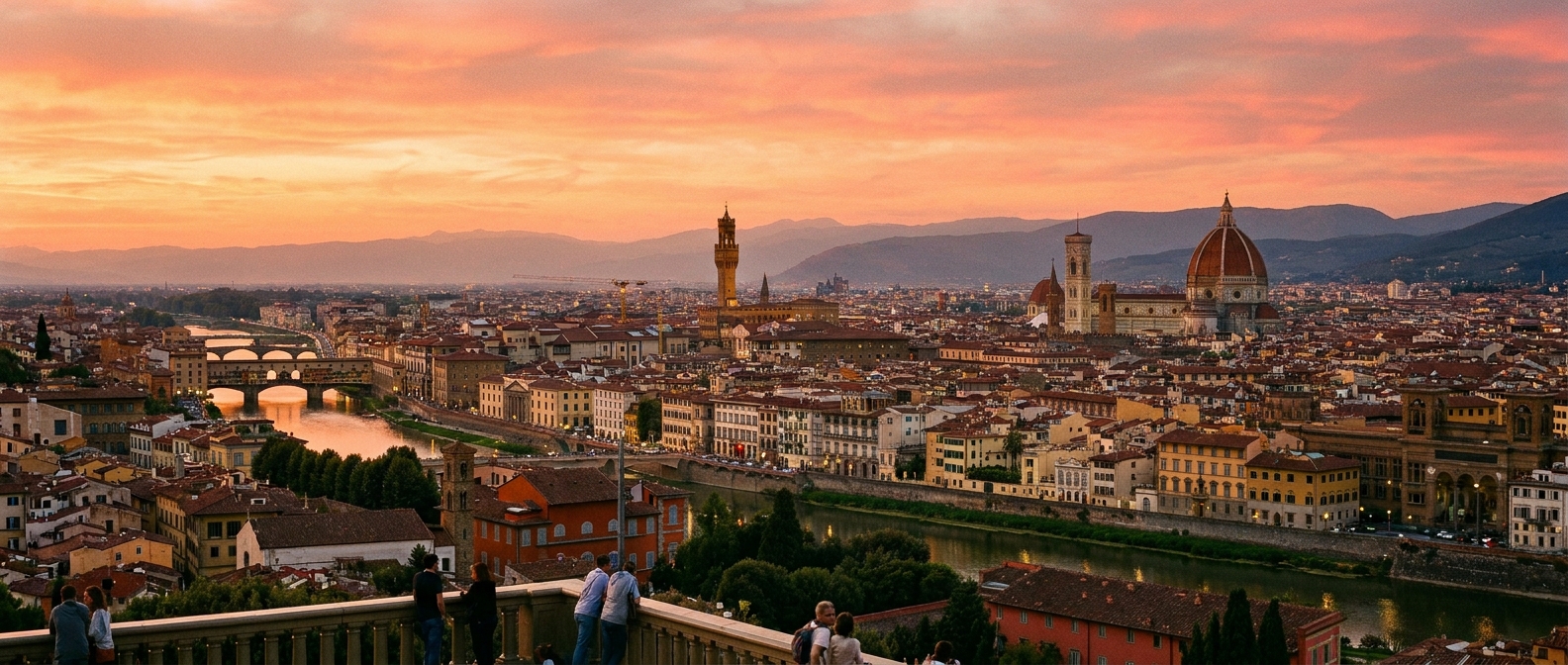
Piazzale Michelangelo: The Panoramic View
This is arguably the most famous viewpoint in Florence. Located on a hill south of the Arno, Piazzale Michelangelo offers a breathtaking panoramic vista of the entire city. Get there early in the morning (before 8 AM) or later in the evening (after 9 PM) to avoid the crowds and capture the best light. Sunset is particularly magical here, with the golden hour illuminating the Duomo, Ponte Vecchio, and the surrounding hills.
- Best Time to Shoot: Sunrise and Sunset.
- How to Get There: Bus lines 12 or 13 from the city center, or a (steep) walk uphill.
- Tip: Experiment with different focal lengths. A wide-angle lens will capture the entire panorama, while a telephoto lens can isolate specific landmarks.
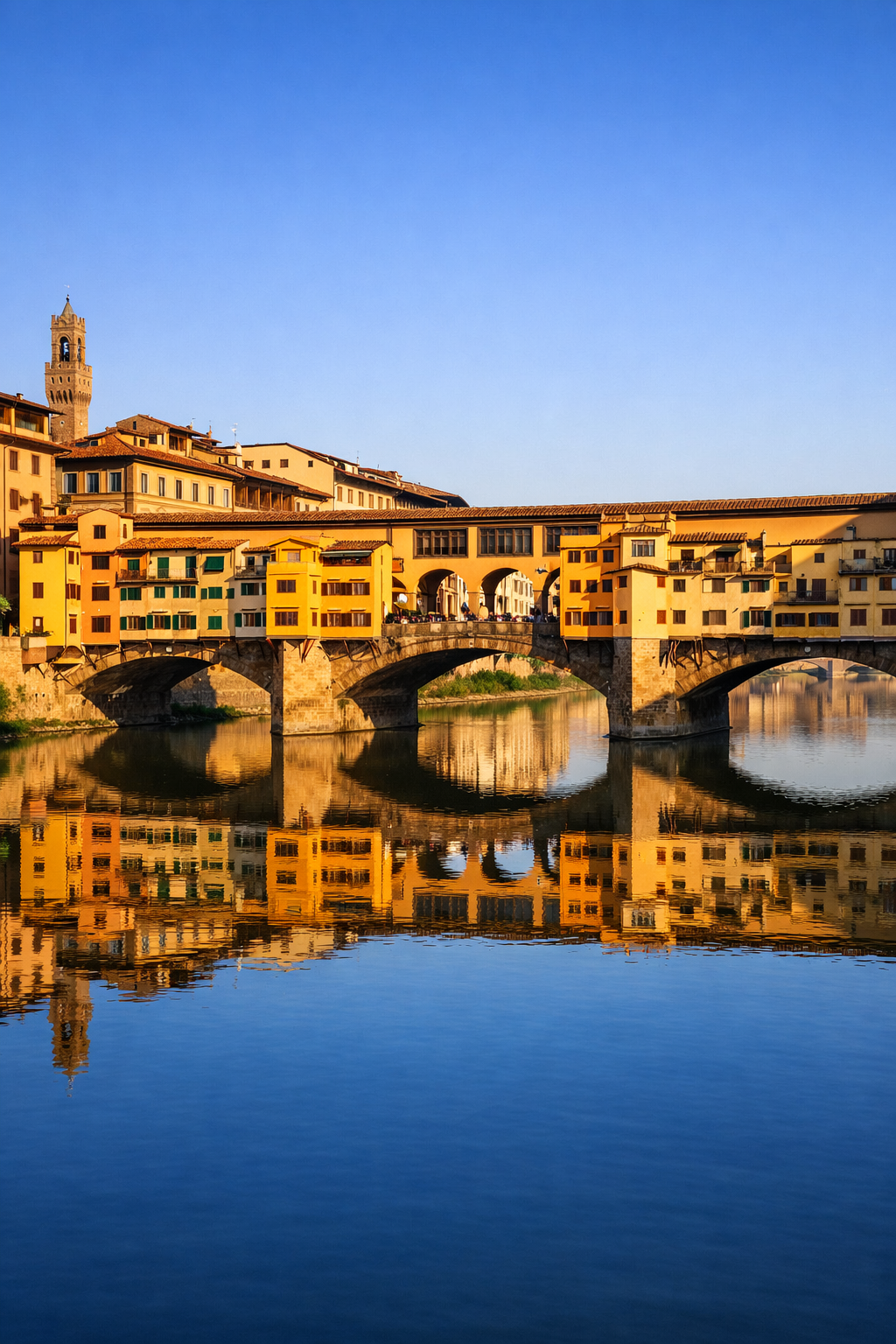
Ponte Vecchio: The Jewel of the Arno
The Ponte Vecchio, Florence's only bridge spared from destruction during World War II, is a stunning subject. Its unique shops clinging to its sides make it unlike any other bridge in the world.
- Best Vantage Points:
- From Ponte Santa Trinita: This bridge offers the classic view of Ponte Vecchio. Stand in the middle for a symmetrical composition.
- From the banks of the Arno: Walk along the Lungarno (the streets along the Arno) for different perspectives.
- From inside Ponte Vecchio: While crowded, it's worth capturing the atmosphere within the bridge itself. Try to get a shot looking out through the archways.
- Best Time to Shoot: Golden hour and blue hour (the hour after sunset) are ideal.
- Tip: Consider using a polarizing filter to reduce glare on the water and enhance the colors.
The Duomo (Florence Cathedral): A Masterpiece of Architecture
Officially known as the Basilica di Santa Maria del Fiore, the Duomo is the undisputed centerpiece of Florence. Photographing this colossal structure can be challenging due to its size and the narrow streets surrounding it.
- Best Vantage Points:
- Piazza del Duomo: The most obvious choice, but still essential. Experiment with different angles and try to include the Baptistery (Battistero di San Giovanni) in your shot.
- Giotto's Campanile: Climbing Giotto's Campanile offers stunning views of the Duomo's dome. The views from the top are well worth the climb.
- From Via dei Servi: This street provides a longer perspective, allowing you to capture the entire facade.
- Best Time to Shoot: Early morning to avoid crowds, or at night when the Duomo is illuminated.
- Tip: A wide-angle lens is essential for capturing the entire facade. Consider using a tilt-shift lens to correct perspective distortion. Consider paying to climb to the top of the Duomo (Brunelleschi's Dome) for incredible interior shots and panoramic city views. Book your tickets online in advance to avoid long queues.
Palazzo Vecchio: Symbol of Florentine Power
Palazzo Vecchio, the town hall of Florence, is another architectural marvel. Its imposing facade and the iconic Arnolfo Tower make it a striking subject.
- Best Vantage Points:
- Piazza della Signoria: The main square in front of Palazzo Vecchio offers several vantage points.
- Loggia dei Lanzi: The open-air sculpture gallery next to Palazzo Vecchio provides a unique frame for your shots.
- From the Uffizi Gallery: The upper floors of the Uffizi offer excellent views of Palazzo Vecchio and Piazza della Signoria.
- Best Time to Shoot: Morning or late afternoon for softer light.
- Tip: Look for interesting details, such as the sculptures in the courtyard or the coats of arms on the facade.
Hidden Gems: Off-the-Beaten-Path Florence Photo Locations
Beyond the iconic landmarks, Florence is full of hidden corners and lesser-known viewpoints that offer unique photographic opportunities.
Bardini Garden: A Secret Oasis with Stunning Views
While Piazzale Michelangelo is the most famous, Bardini Garden offers a similar panoramic view of Florence, but with fewer crowds and a more tranquil atmosphere. The garden itself is a beautiful subject, with its flowers, sculptures, and Baroque staircase.
- Address: Costa S. Giorgio, 2, 50125 Firenze FI, Italy
- Entrance Fee: Around €10
- Best Time to Shoot: Spring, when the flowers are in bloom, or late afternoon for golden light.
- Tip: Explore the different levels of the garden for varying perspectives.
Rose Garden (Giardino delle Rose): A Floral Paradise with a Duomo View
Located just below Piazzale Michelangelo, the Rose Garden offers a unique perspective of the Duomo framed by blooming roses. It's a particularly beautiful spot in May and June, when the roses are at their peak.
- Address: Viale Giuseppe Poggi, 2, 50125 Firenze FI, Italy
- Entrance Fee: Free!
- Best Time to Shoot: Spring (May-June) for the roses, or early morning for soft light.
- Tip: Look for compositions that include both the roses and the Duomo in the background.
Oltrarno Artisan Workshops: Capturing Florentine Craftsmanship
The Oltrarno district, on the south bank of the Arno, is known for its artisan workshops. These workshops offer a glimpse into traditional Florentine crafts and provide unique photographic opportunities.
- Address: Explore the streets around Via de' Serragli and Via Maggio.
- Best Time to Shoot: During the day, when the workshops are open.
- Tip: Be respectful of the artisans and ask for permission before taking photos. Focus on the details of the craft, such as tools, materials, and finished products.
The Corridoio Vasariano: A Secret Passage Above the City
While access is limited and requires a guided tour (book well in advance!), the Corridoio Vasariano, a secret passage connecting the Uffizi Gallery to Palazzo Pitti, offers a unique perspective on the city. The windows along the corridor provide framed views of the Arno, Ponte Vecchio, and other landmarks.
- Access: Guided tours only. Book well in advance through the Uffizi Gallery website or authorized tour operators.
- Tip: If you manage to get a tour, focus on capturing the framed views from the windows.
Santo Spirito Church and Piazza: Authentic Florentine Life
Santo Spirito, located in the Oltrarno district, is a beautiful church designed by Brunelleschi. The piazza in front of the church is a lively hub of activity, offering a glimpse into authentic Florentine life.
- Address: Piazza Santo Spirito, 30, 50125 Firenze FI, Italy
- Best Time to Shoot: Morning, when the market is open, or evening, when locals gather for aperitivo.
- Tip: Capture the atmosphere of the piazza by including people in your shots. Look for interesting details, such as the church facade or the market stalls.
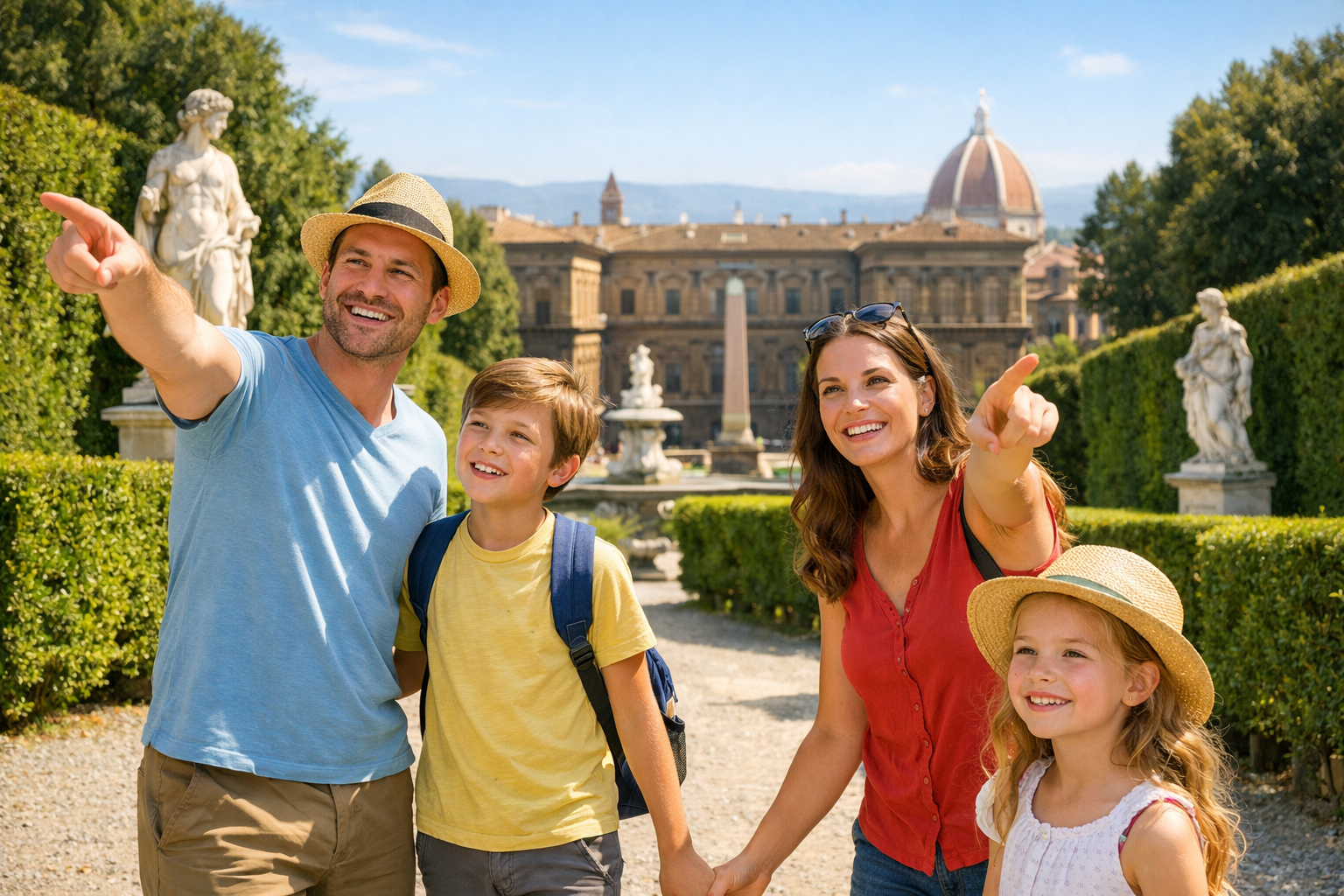
Boboli Gardens: A Baroque Masterpiece
Behind Palazzo Pitti lies the sprawling Boboli Gardens. These formal gardens are filled with sculptures, fountains, and hidden grottos, offering endless photographic possibilities.
- Address: Piazza Pitti, 1, 50125 Firenze FI, Italy
- Entrance Fee: Around €10
- Best Time to Shoot: Any time of day, but early morning or late afternoon offer the best light.
- Tip: Explore the different sections of the garden and look for interesting compositions. Use the sculptures and fountains as foreground elements.
Tips for Florence Photography:
- Golden Hour is Key: The hour after sunrise and the hour before sunset offer the most flattering light.
- Embrace the Crowds: Florence is a popular tourist destination, so expect crowds. Arrive early or stay late to avoid the worst of them. Consider using a slower shutter speed to blur moving people and create a sense of motion.
- Look Up! Don't forget to look up and appreciate the architectural details of the buildings.
- Capture the Details: Pay attention to the small details that make Florence unique, such as the cobblestone streets, the flower boxes on the windowsills, and the intricate door knockers.
- Photograph People: Ask for permission before taking photos of people, and be respectful of their culture.
- Take Advantage of Reflections: Look for reflections in the Arno River, puddles, and shop windows.
- Don't Be Afraid to Experiment: Try different angles, compositions, and settings to find your own unique style.
- Be Aware of Pickpockets: Keep your belongings safe and be aware of your surroundings, especially in crowded areas.
Finding Your Base in Florence
After a long day of exploring and capturing stunning photos, you'll want a comfortable and centrally located place to rest. Guido Monaco Florence apartment, situated conveniently near the Santa Maria Novella train station (Via Guido Monaco), provides an ideal base for your photographic adventures. Its location offers easy access to all the major attractions and transportation hubs.
Another fantastic option for getting around and capturing the perfect shot is renting a Vespa. Many rental shops are located near the train station, enabling you to explore the outskirts of Florence and the Tuscan countryside with ease. Just remember to wear a helmet and drive safely!
Frequently Asked Questions (FAQ)
What is the best time of year to visit Florence for photography?
The best time of year for photography is generally spring (April-May) and fall (September-October). The weather is mild, the crowds are smaller than in the summer, and the light is often ideal. Spring offers blooming flowers, while fall provides vibrant foliage.
What photography equipment should I bring to Florence?
A versatile zoom lens (e.g., 24-70mm or 24-105mm) is a good starting point. A wide-angle lens is essential for capturing the architecture and landscapes, and a telephoto lens can be useful for isolating details and capturing distant subjects. A tripod is recommended for shooting in low light or for long exposures. Don't forget extra batteries and memory cards!
Are there any photography tours in Florence?
Yes, several photography tours are available in Florence, catering to different skill levels and interests. These tours can provide valuable insights into the best photo locations and techniques. Search online for "Florence photography tours" to find a tour that suits your needs. Some popular options include walking tours focused on street photography or architectural photography.
Is it safe to walk around Florence at night with my camera equipment?
Generally, Florence is a safe city, but it's always wise to take precautions, especially when carrying expensive equipment. Avoid walking alone in poorly lit areas and be aware of your surroundings. Consider using a camera bag that doesn't scream "expensive camera inside".
Can I fly a drone in Florence?
No, flying drones is generally prohibited in the historical center of Florence. The airspace is heavily restricted due to the proximity of airports and the importance of the historical sites. You need special permissions, which are difficult to obtain. Check local regulations before attempting to fly a drone.
Are there any specific ethical considerations when photographing in Florence?
Be respectful of locals and their culture. Ask for permission before photographing people, and avoid photographing private property without consent. Be mindful of your impact on the environment and avoid damaging historical sites. Many churches have rules against photography during services, so always be respectful.
Florence is a city that rewards those who take the time to explore its hidden corners and appreciate its beauty. With this guide in hand, you're well-equipped to capture stunning photos and create lasting memories. And remember, after a day of shooting, a comfortable and convenient base is essential. Consider Guido Monaco Florence apartment at /property for your stay in the heart of it all!
Book Your Florence Stay
Experience the comfort of Guido Monaco apartment — perfect location, modern amenities, and a private terrace.