Florence is synonymous with art, history, and Renaissance glory, and its churches are a cornerstone of this rich tapestry. While the Duomo undoubtedly reigns supreme, limiting your exploration to it would be a disservice. This guide ventures beyond the iconic dome, revealing the spiritual and artistic treasures hidden within some of Florence's most fascinating churches, including Santa Croce, San Miniato al Monte, Santa Maria Novella, Orsanmichele, and a few lesser-known gems.
Santa Croce: Pantheon of Florence
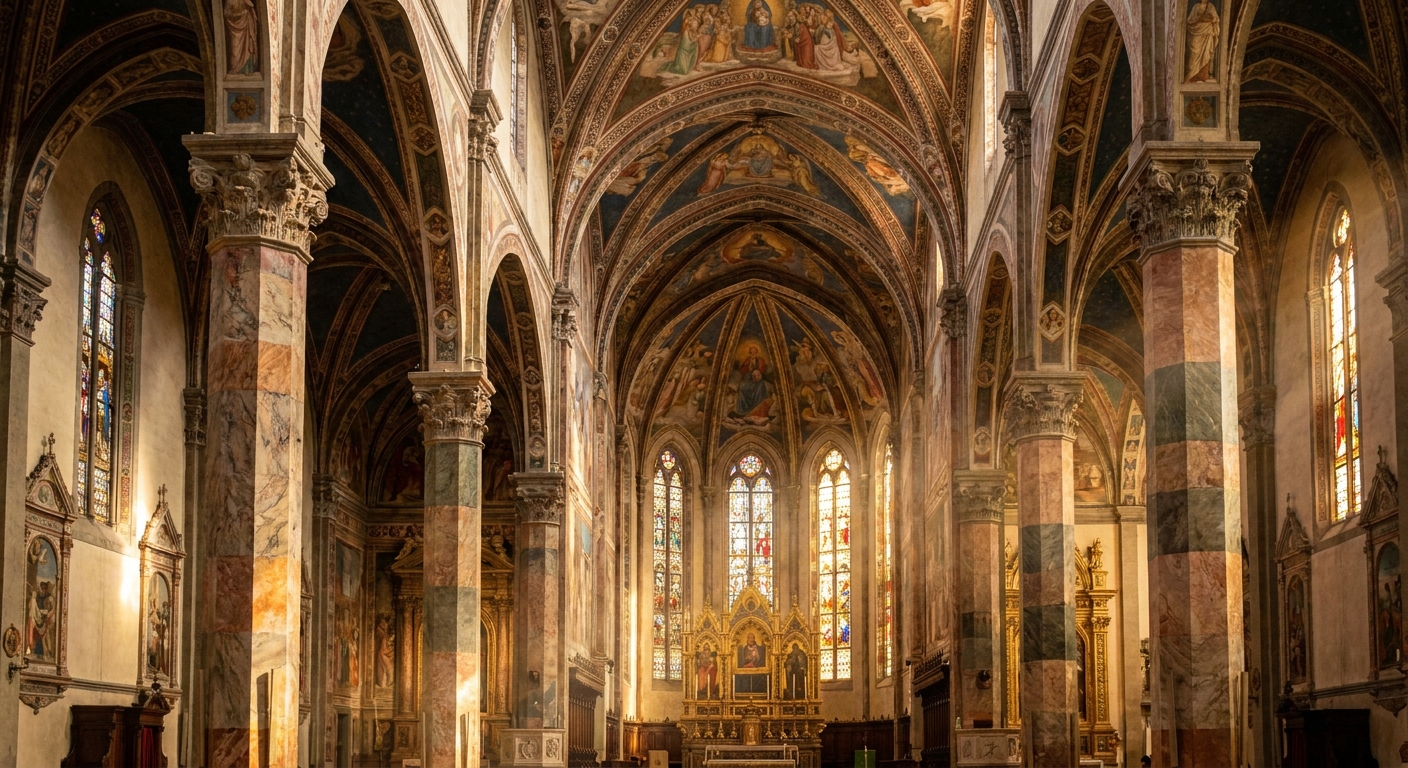
Santa Croce Basilica, located in Piazza Santa Croce, is more than just a church; it's a national monument and a veritable pantheon of Italian greats. Its vast Gothic architecture, completed in the 14th century, is immediately impressive, but the treasures within are what truly set it apart.
Key Highlights:
- Tombs of Michelangelo, Galileo, Machiavelli, and Rossini: Pay your respects to some of the most influential figures in history. Note the distinct styles of the tombs, reflecting their eras and individual achievements.
- Frescoes by Giotto: The Bardi and Peruzzi chapels contain groundbreaking frescoes by Giotto, depicting scenes from the lives of St. Francis and St. John the Baptist. These works showcase Giotto's revolutionary approach to perspective and realism, influencing generations of artists.
- Pazzi Chapel by Brunelleschi: A masterpiece of Renaissance architecture, the Pazzi Chapel exemplifies Brunelleschi's harmonious proportions and geometric precision. Its serene beauty is a welcome contrast to the grandeur of the main basilica.
- Leather School (Scuola del Cuoio): Tucked away within the complex, the Leather School offers a fascinating glimpse into traditional Florentine craftsmanship. Watch artisans at work and purchase unique leather goods.
Practical Information:
- Address: Piazza di Santa Croce, 16, 50122 Firenze FI, Italy
- Opening Hours: Vary seasonally; check the official website for current times. Generally open daily, but with shorter hours on Sundays and religious holidays.
- Admission: Around €9; combination tickets including other museums are available.
- Tip: Arrive early to avoid crowds, especially during peak season. Allocate at least 2-3 hours to fully explore the basilica and its surrounding complex.
San Miniato al Monte: A Romanesque Jewel
Perched atop a hill overlooking Florence, San Miniato al Monte is a stunning example of Romanesque architecture and offers breathtaking panoramic views of the city. This church is a must-visit for those seeking a peaceful and spiritual experience away from the bustling city center.
Key Highlights:
- Green and White Marble Façade: The church's façade is a striking example of Florentine Romanesque style, featuring intricate geometric patterns in green and white marble.
- Interior Mosaics: The interior boasts a magnificent 13th-century mosaic depicting Christ between the Virgin and San Miniato. Its vibrant colors and intricate details are a testament to the artistry of the period.
- Cappella del Cardinale del Portogallo (Chapel of the Cardinal of Portugal): A stunning Renaissance chapel designed by Antonio Manetti, showcasing the talents of several prominent artists, including Antonio and Bernardo Rossellino.
- Monastery: The adjacent monastery, still inhabited by Benedictine monks, adds to the church's serene atmosphere. Listen for their Gregorian chants, which resonate throughout the complex.
Practical Information:
- Address: Via delle Porte Sante, 34, 50125 Firenze FI, Italy
- Opening Hours: Daily, typically from morning until evening. Check the official website for specific times, as they may vary.
- Admission: Free (donations appreciated).
- Getting There: You can take bus number 12 or 13 from near the train station, or enjoy a scenic (but uphill) walk from Piazzale Michelangelo.
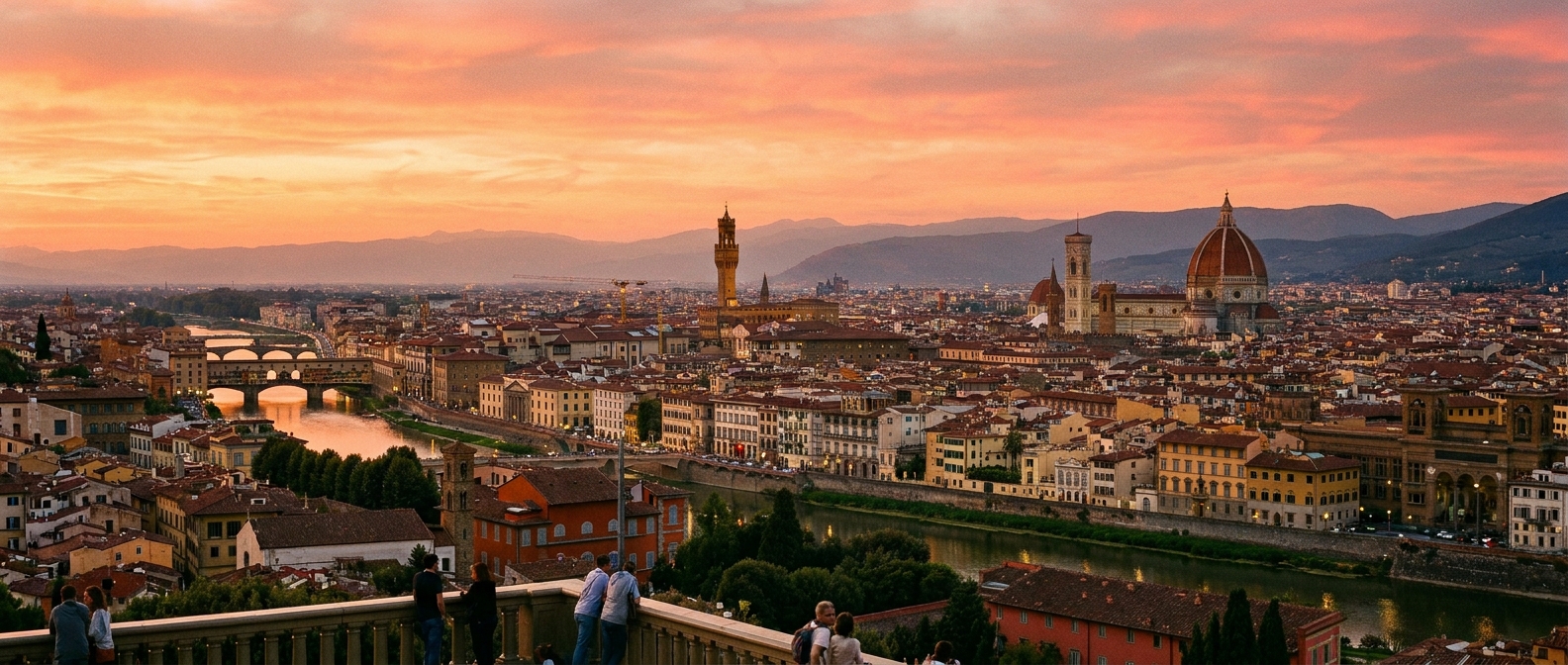
- Tip: Combine your visit with a trip to Piazzale Michelangelo for sunset views of Florence. The walk between the two locations is rewarding.
Santa Maria Novella: Renaissance Art and a Hidden Pharmacy
Located near the main train station (also called Santa Maria Novella), the Basilica di Santa Maria Novella is a treasure trove of Renaissance art and architecture. It's easily accessible and offers a fascinating glimpse into Florentine history.
Key Highlights:
- Masaccio's Trinity: One of the earliest and most important examples of linear perspective in painting, Masaccio's Trinity fresco is a groundbreaking work of art.
- Ghirlandaio's Tornabuoni Chapel: This chapel is adorned with vibrant frescoes by Domenico Ghirlandaio, depicting scenes from the lives of the Virgin Mary and St. John the Baptist. They offer a vivid portrayal of Florentine life in the 15th century.
- Brunelleschi's Crucifix: Located in the Gondi Chapel, Brunelleschi's wooden crucifix is a powerful and moving work of sculpture.
- Officina Profumo-Farmaceutica di Santa Maria Novella: One of the oldest pharmacies in the world, located within the complex. Browse and purchase unique perfumes, soaps, and herbal remedies.
Practical Information:
- Address: Piazza di Santa Maria Novella, 18, 50123 Firenze FI, Italy
- Opening Hours: Generally open daily, but times vary. Check the official website for updated information.
- Admission: Around €7.50.
- Tip: Allow ample time to explore the entire complex, including the cloisters and the pharmacy. If you're arriving by train, this is a perfect first stop.
Staying at Guido Monaco Florence, located just steps from the Santa Maria Novella train station, provides effortless access to this beautiful basilica and other Florentine landmarks.
Orsanmichele: A Secular Church with Artistic Flair
Originally built as a grain market, Orsanmichele was later transformed into a church and guildhall. Its unique history and stunning exterior sculptures make it a must-see attraction.
Key Highlights:
- Exterior Niches with Sculptures: Each niche on the church's exterior houses a statue of the patron saint of a different Florentine guild. These sculptures, created by renowned artists such as Donatello, Ghiberti, and Verrocchio, represent the wealth and power of the guilds. Replicas are in place; the originals are now in the Bargello Museum.
- Interior Tabernacle by Orcagna: The interior of the church is dominated by a magnificent tabernacle by Andrea Orcagna, a masterpiece of Gothic sculpture.
- Unique History: The transition from grain market to church makes Orsanmichele a fascinating example of the changing role of buildings in Florentine society.
Practical Information:
- Address: Via Orsanmichele, 50123 Firenze FI, Italy
- Opening Hours: Church interior open only on Mondays (10:00-16:00) and Tuesdays (10:00-17:00). Exterior sculptures can be viewed at any time.
- Admission: Free.
- Tip: Visit on a Monday or Tuesday to see the interior. Take your time to admire the sculptures on the exterior and learn about the guilds they represent.
Hidden Gems: Beyond the Tourist Trail
While the aforementioned churches are well-known, Florence boasts numerous other religious sites worth exploring. Here are a few hidden gems that offer a more intimate and authentic experience:
- Chiesa di Santo Spirito: Located in the Oltrarno district, this church was designed by Brunelleschi and features a simple yet elegant interior. The tranquil atmosphere and the surrounding neighborhood make it a delightful escape from the crowds. Don't miss the wooden crucifix attributed to Michelangelo.
- Basilica di San Lorenzo: Another Brunelleschi masterpiece, San Lorenzo is the Medici family's parish church. Its architecture showcases Brunelleschi's innovative approach to space and proportion. The Medici Chapels, a separate museum complex, are also worth visiting.
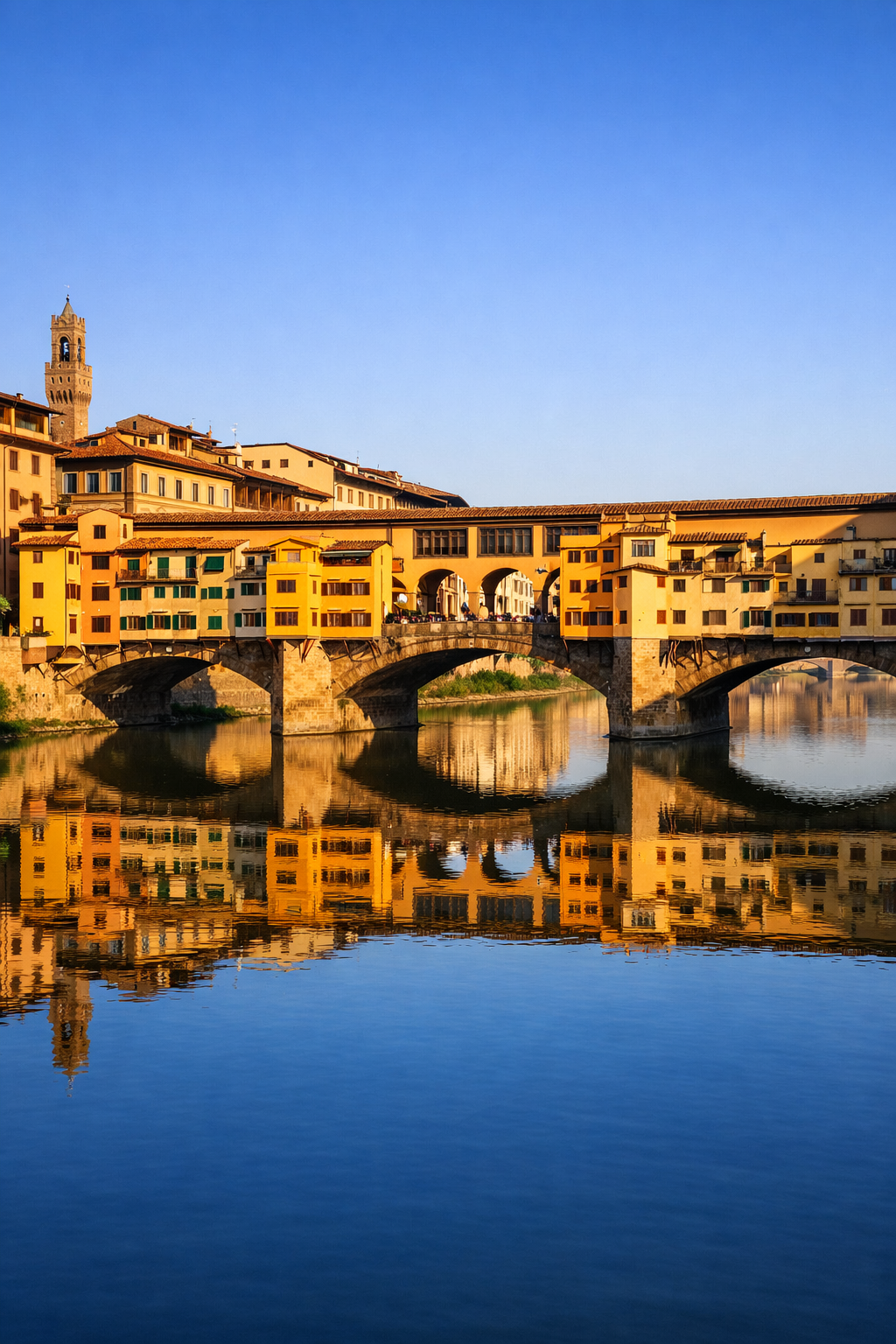
- Santa Felicita: This small church near the Ponte Vecchio contains important frescoes by Pontormo, a leading figure of the Mannerist movement. The frescoes depict the Deposition from the Cross and offer a striking example of Mannerist style.
Staying in the centrally-located Guido Monaco Florence apartment means these lesser-known locations are an easy walk or short bus ride away, enabling you to escape the tourist hordes and discover the true soul of Florence.
Practical Tips for Visiting Florence Churches
- Dress Code: Remember to dress respectfully when visiting churches. Shoulders and knees should be covered.
- Photography: Photography is often restricted or prohibited inside churches. Pay attention to signage.
- Respectful Behavior: Maintain a respectful demeanor while inside churches. Avoid loud conversations and keep your phone on silent.
- Guided Tours: Consider joining a guided tour to learn more about the history and art of each church. Many tours are available in multiple languages.
- Check Opening Hours: Opening hours can vary, especially on Sundays and religious holidays. Always check the official websites for updated information before visiting.
- Best Time to Visit: Early morning or late afternoon are generally the best times to visit churches to avoid crowds.
FAQ
What is the most important church to see in Florence besides the Duomo?
Santa Croce is arguably the most important after the Duomo. It houses the tombs of Michelangelo, Galileo, and Machiavelli, and features frescoes by Giotto, making it a vital cultural and historical landmark.
How much does it cost to enter Santa Croce Basilica?
The admission fee for Santa Croce Basilica is around €9. Combination tickets that include access to other museums are also available.
How long does it take to walk to San Miniato al Monte from the city center?
The walk to San Miniato al Monte from the city center takes approximately 30-45 minutes, depending on your starting point. It's an uphill walk, so wear comfortable shoes!
Are there any free churches to visit in Florence?
Yes, Orsanmichele (exterior sculptures) is free to view. Also, many smaller parish churches throughout the city offer free entry.
What is the dress code for visiting churches in Florence?
The dress code for visiting churches in Florence requires modest attire. Shoulders and knees should be covered. Sleeveless shirts, shorts, and revealing clothing are generally not permitted.
Can I take photos inside Florence churches?
Photography is often restricted or prohibited inside churches. Look for signage indicating whether photography is allowed. If permitted, flash photography is usually prohibited.
Florence's churches are a testament to the city's rich artistic, religious, and historical heritage. By venturing beyond the Duomo and exploring these other magnificent sites, you'll gain a deeper appreciation for the cultural treasures that Florence has to offer. Whether you're captivated by Giotto's frescoes, Brunelleschi's architecture, or the serene atmosphere of San Miniato al Monte, these churches will undoubtedly leave a lasting impression.
Find your perfect Florentine base at /property
Book Your Florence Stay
Experience the comfort of Guido Monaco apartment — perfect location, modern amenities, and a private terrace.